Can A Time Calculator Work Truly Transform How You Manage Your Daily Tasks?
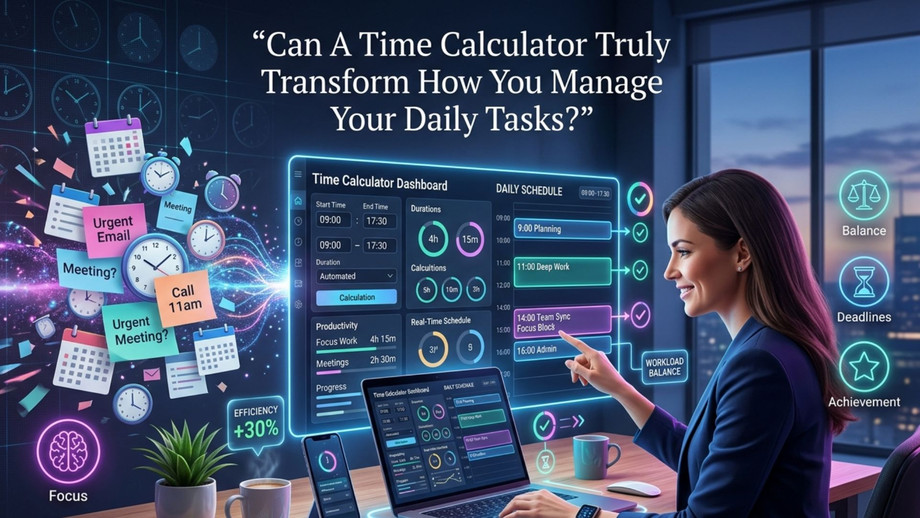
In today’s fast-paced digital environment, managing time effectively has become more challenging than ever. With endless tasks, distractions, and shifting priorities, individuals and businesses alike struggle to stay on track. This is where a time calculator work approach begins to stand out not just as a tool, but as a smarter way of thinking about productivity and control.
The Growing Need for Smarter Time Management
Modern workflows are no longer linear. Whether you’re working remotely, managing a team, or juggling multiple responsibilities, the traditional methods of tracking hours often fall short. People tend to underestimate how long tasks take or overestimate their productivity levels.
This gap between perception and reality creates inefficiencies. Deadlines are missed, workloads become overwhelming, and stress levels increase. A structured method of measuring and analyzing time can help bridge this gap, offering a clearer picture of where effort is truly being spent.
Moving Beyond Basic Time Tracking
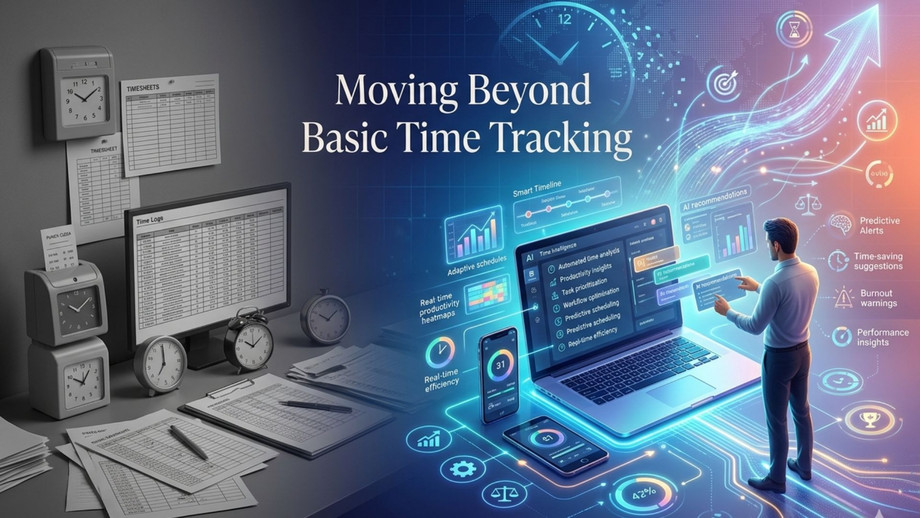
Basic time tracking simply records hours, but it doesn’t explain them. The real value lies in understanding patterns, identifying bottlenecks, and making informed adjustments.
A smarter approach focuses on:
- Breaking down tasks into measurable segments
- Identifying high-value vs low-value activities
- Understanding peak productivity periods
- Eliminating time wastage
This shift from passive tracking to active analysis is what separates average productivity from optimized performance.
Benefits That Go Beyond Productivity
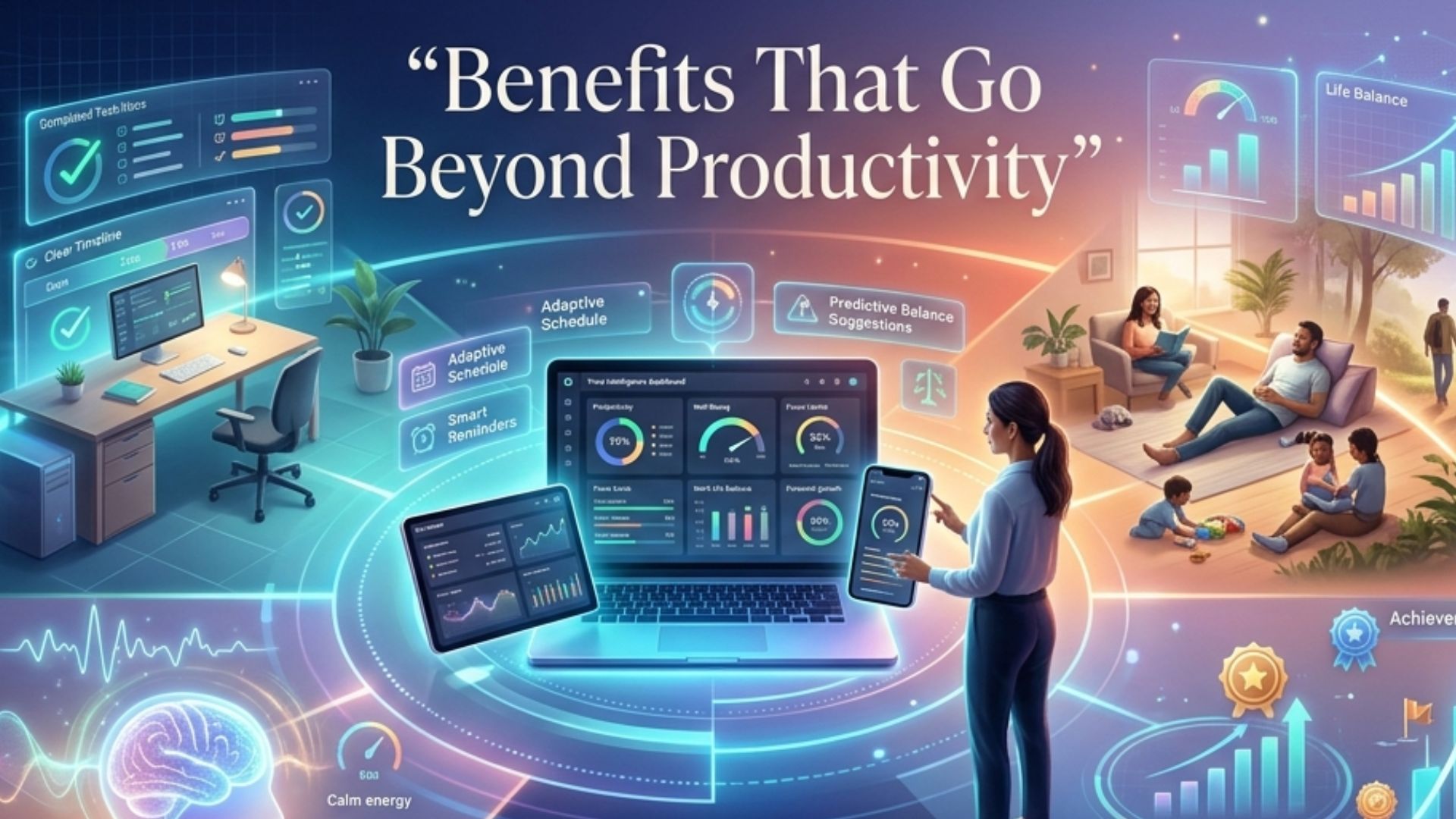
Adopting a structured time management approach doesn’t just improve efficiency; it influences multiple aspects of work and life.
1. Better Decision-Making
When you have clear data about how time is spent, decisions become more objective. You can prioritize tasks that deliver the most value and eliminate those that don’t.
2. Improved Work-Life Balance
Understanding your time allocation helps prevent overworking. When combined with effective staff communication, it becomes even easier to stay aligned on priorities, avoid unnecessary overtime, and maintain transparency across teams. Clear communication ensures everyone understands workloads, deadlines, and availability, reducing the risk of burnout.
3. Enhanced Accountability
Whether for individuals or teams, visibility into time usage promotes responsibility. It encourages focus and discourages procrastination.
4. Increased Transparency in Teams
For organizations, having clarity on how time is spent improves collaboration. Managers can distribute workloads more effectively, ensuring no one is overwhelmed or underutilized.
Why Traditional Methods Fall Short?
Spreadsheets, manual logs, and memory-based estimates often lead to inaccuracies. They rely heavily on human input, which is prone to error and inconsistency.
Some common issues include:
- Forgetting to log tasks
- Rounding off time inaccurately
- Lack of real-time updates
- No actionable insights
These limitations highlight the need for a more reliable and automated solution that minimizes manual effort while maximizing accuracy.
The Role of Automation and Insights
A key component of contemporary time management is automation. Instead of manually recording every activity, intelligent systems can track, categorize, and analyze time usage seamlessly.
This allows users to:
- Focus more on actual work rather than tracking
- Gain real-time insights into productivity trends
- Identify inefficiencies instantly
- Make adjustments without delay
The combination of automation and analytics turns time management into a strategic advantage rather than a routine task.
Adapting to Different Work Styles
Not everyone works the same way, and that’s perfectly fine. A flexible approach to time management accommodates different workflows, whether structured or dynamic.
For example:
- Creative professionals may need flexible time blocks
- Developers might work in focused sprints
- Managers may divide time across meetings and planning
A customizable system ensures that time tracking adapts to the user, not the other way around.
Building a Sustainable Productivity System
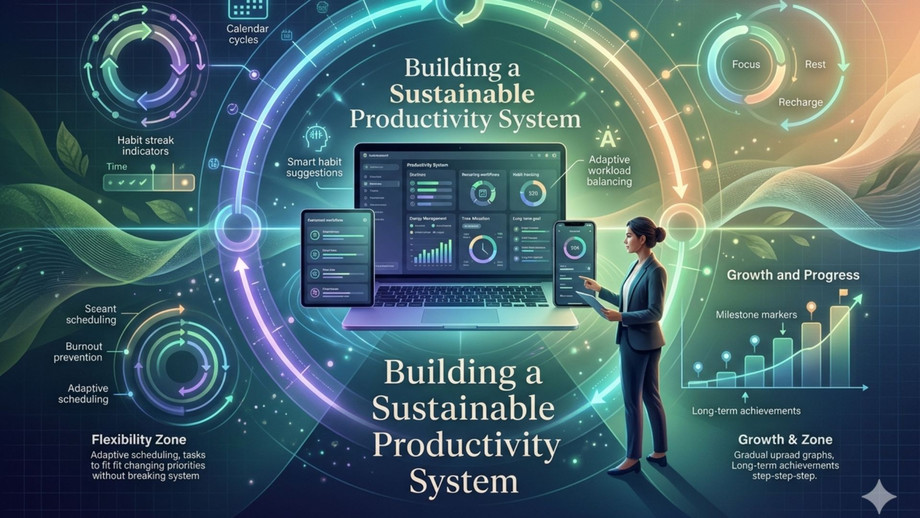
The key to long-term success is consistency. It’s not about tracking every second obsessively but about building a habit of awareness. When individuals and teams shift their focus from control to clarity, productivity becomes more sustainable and less stressful.
A sustainable system should:
- Be easy to use - tools like modern computer monitoring software simplify tracking without overwhelming users, making adoption effortless.
- Require minimal manual input- automation ensures time is captured accurately without constant effort.
- Provide meaningful insights-advanced analytics from computer monitoring software help identify patterns, inefficiencies, and opportunities for improvement.
- Encourage regular review and improvement -consistent check-ins turn data into actionable progress.
Over time, this creates a powerful feedback loop where productivity continuously evolves and improves. Instead of reacting to workload pressure, users gain proactive control by building smarter habits, improving focus, and achieving long-term efficiency without burnout.
The Psychological Advantage
There’s also a mental shift that comes with structured time management. When you can see your progress and understand your efforts, it creates a sense of control and accomplishment.
This reduces anxiety, boosts motivation, and helps maintain focus. Instead of feeling overwhelmed, you gain clarity and direction.
You can also watch:- EmpMonitor - Best Employee Monitoring Solution For Business.
Conclusion
Ultimately, adopting a time calculator work mindset is about more than just measuring hours; it’s about transforming how you approach productivity altogether. By combining clarity, automation, and insight, it empowers individuals and teams to work smarter, not harder. In a world where time is one of the most valuable resources, managing it effectively can make all the difference between constant stress and sustainable success.
FAQs
1. What is a time calculator used for?
A time calculator helps you measure and track the duration of tasks, working hours, and schedules for better time management.
2. Can it really improve productivity?
Yes, by providing accurate data on how time is spent, it helps you eliminate inefficiencies and focus on high-priority tasks.
3. Is a time calculator useful for students?
Absolutely. Students can use it to manage study time, assignments, and exam preparation more effectively.
4. Do I need technical skills to use one?
No, most of the time, calculators are simple and user-friendly, requiring only basic inputs to get accurate results.
Comments
Post a Comment