Strategic Management Process: A Clear Path To Sustainable Success
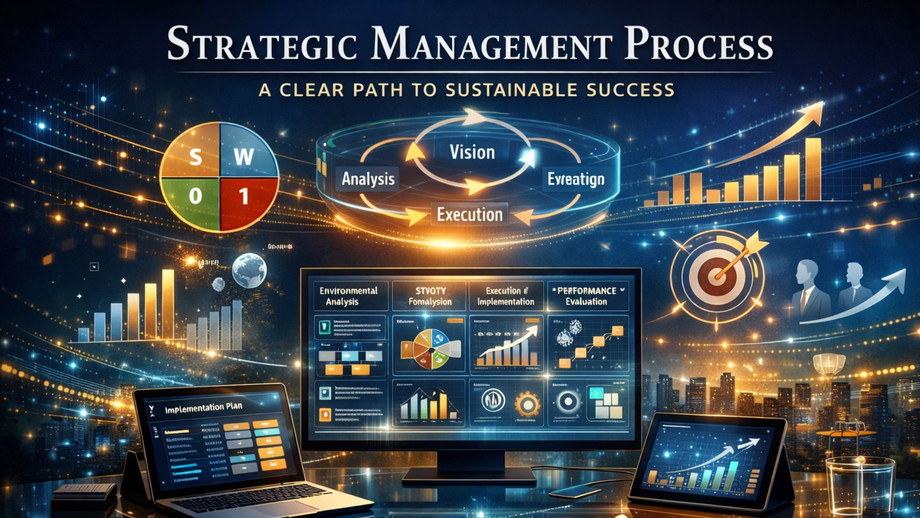
What enables certain businesses to grow steadily while others lose direction over time? The answer lies in how effectively they think, plan, and act. The strategic management process is a structured method that helps organizations understand their current position, define future goals, and take meaningful steps to achieve them. It ensures that decisions are not random but aligned with a long-term vision.
In an environment where change is constant, businesses need more than short-term solutions. They need a clear path that connects daily actions with bigger objectives. This is exactly what a well-defined strategy delivers.
What Is Strategic Management?
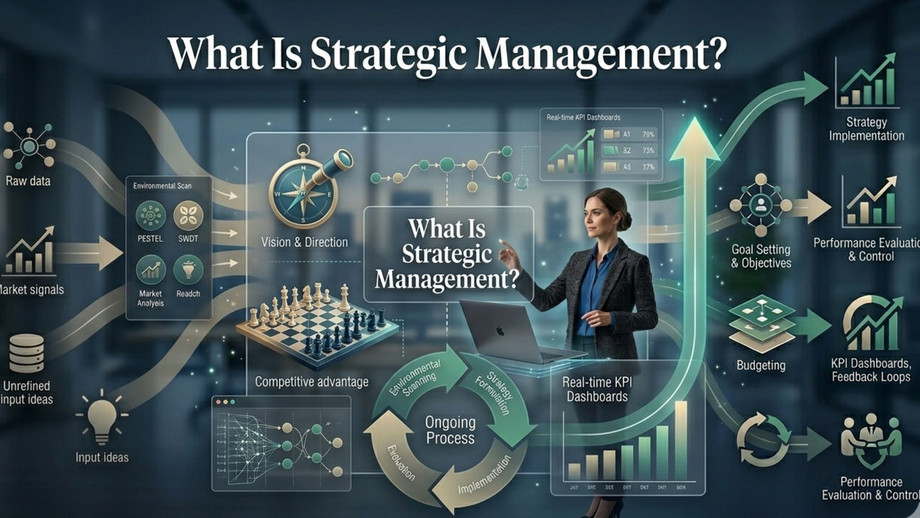
Strategic management is an ongoing approach that focuses on shaping the future of an organization through thoughtful planning and execution. It involves analyzing situations, setting goals, implementing plans, and reviewing outcomes. Unlike routine decision-making, it looks beyond immediate needs and focuses on long-term growth.
This approach allows organizations to stay focused and organized. When every decision is guided by a clear purpose, it reduces confusion and improves overall performance. By integrating employee monitoring, businesses gain real-time visibility into workflows, productivity levels, and task progress, helping managers make informed decisions and address inefficiencies quickly. It also ensures accountability, aligns individual efforts with organizational goals, and promotes better time and resource management. Over time, this combination of strategic clarity and performance tracking builds strength, stability, and sustained growth.
Understanding How the Process Unfolds
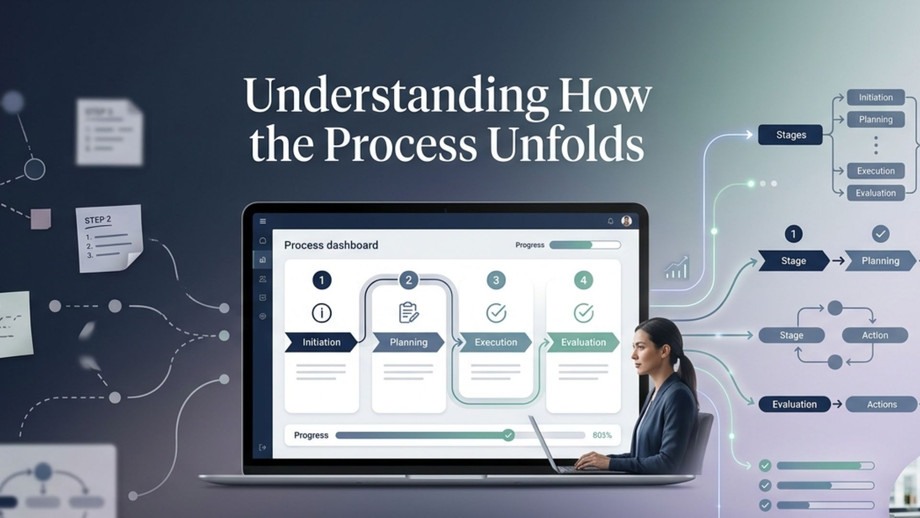
The journey begins with gaining a clear understanding of the present situation. Organizations study their internal capabilities along with external factors such as market trends and competition. This awareness helps identify both opportunities and potential risks.
After building this understanding, the next step is defining direction. Leaders outline what they want to achieve and how they plan to reach those goals. A strong vision acts as a guiding force, ensuring that all efforts move in the same direction. Without this clarity, even well-intended actions can lead to scattered results.
Once direction is set, attention shifts to execution. Plans are converted into actions, and responsibilities are shared across teams. Clear communication plays a vital role here, as it ensures that everyone understands their contribution. Successful execution depends not only on planning but also on discipline and coordination.
The final stage focuses on reviewing performance and making improvements. Organizations measure results, compare them with expectations, and identify areas that need adjustment. This step ensures that strategies remain effective even when circumstances change.
Why This Approach Is Essential?
The strategic management process helps organizations move with purpose rather than uncertainty. It creates a sense of direction that guides every decision, from small daily tasks to major investments. This clarity allows businesses to avoid unnecessary risks and make better use of their resources.
It also strengthens teamwork and staff communication. When individuals clearly understand the broader goal, communication becomes more structured, transparent, and purposeful. Teams can share updates, align priorities, and collaborate more effectively, making their efforts more meaningful. This shared understanding not only improves efficiency but also reduces misunderstandings and workplace friction.
Another important advantage is flexibility. A structured approach makes it easier to respond to changes in the environment. Instead of being caught off guard, organizations can adjust their strategies while maintaining clear communication and staying focused on their objectives.
Common Difficulties in Applying Strategy
Despite its benefits, many organizations face challenges when trying to implement a strategy effectively. One common issue is unclear direction. When goals are not well-defined, teams struggle to stay focused and productive.
Another difficulty arises during execution. Even strong plans can fail if they are not implemented properly. Lack of coordination, poor communication, or limited resources can weaken the entire effort.
Resistance to change is also a frequent barrier. People often hesitate to move away from familiar methods, even when new approaches offer better results. Overcoming this requires strong leadership and a clear explanation of the benefits.
You can also watch:- Emp Monitor | Boost Workplace Productivity with Employee Monitoring Software
Conclusion
Long-term success is built on careful thinking, consistent action, and the ability to adapt. The strategic management process provides a dependable framework that connects ideas with results. By following this approach, organizations can navigate uncertainty, improve decision-making, and achieve steady growth over time.
FAQs
What is the main purpose of strategic management?
It helps organizations define goals, plan effectively, and achieve long-term success.
Can small businesses use this approach?
Yes, it is useful for businesses of all sizes as it provides clarity and direction.
Why do strategies sometimes fail?
Strategies often fail due to poor execution, lack of clarity, or resistance to change.
Comments
Post a Comment