What Is Coffee Badging: Meaning,Examples, and Workplace Trend
Have you ever wondered why some employees briefly appear in the office, grab a coffee, chat with colleagues, and then leave shortly after? This growing workplace behavior is becoming increasingly common in hybrid work environments.
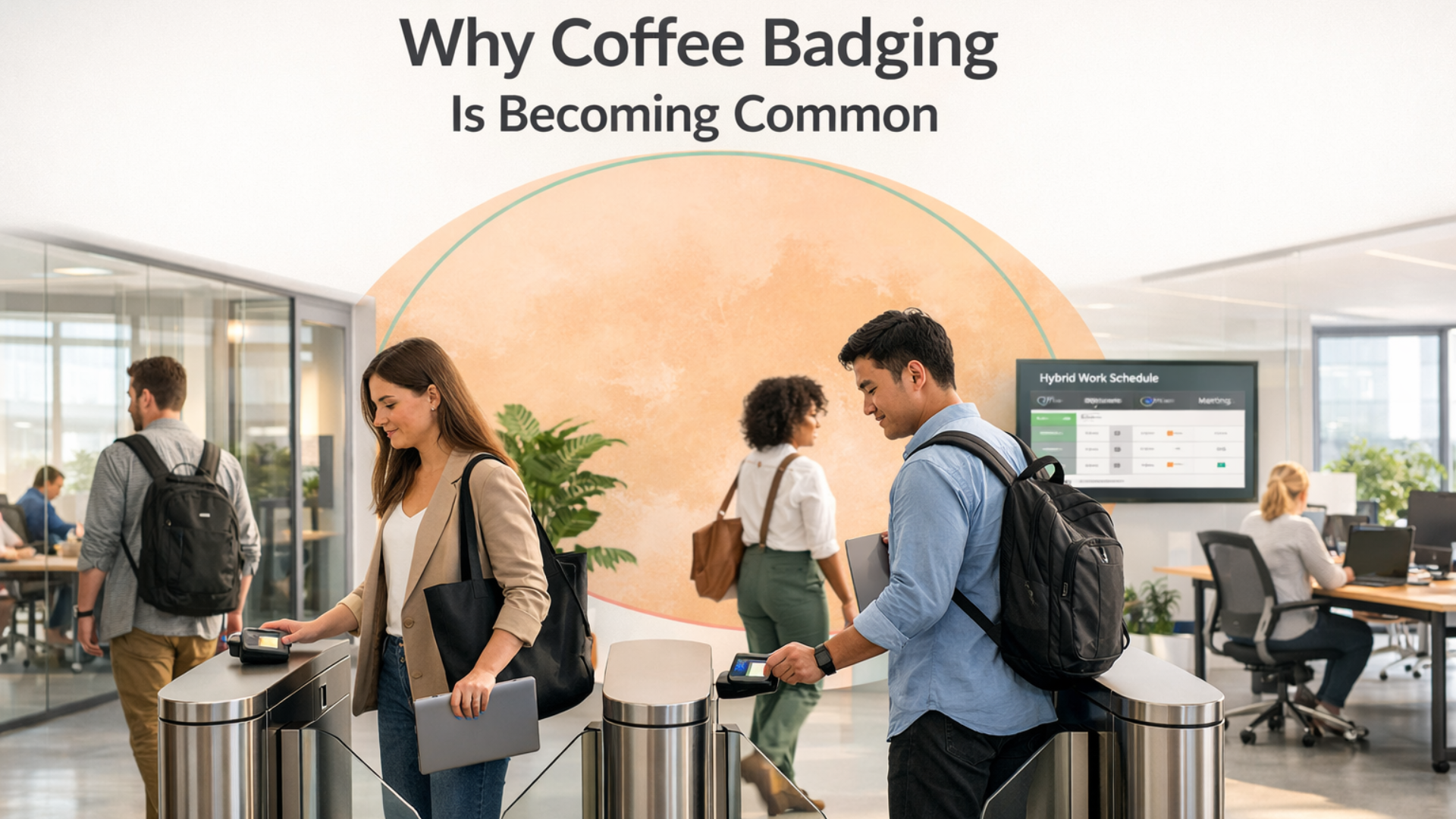
Coffee badgingrefers to the practice where employees come into the office mainly to check in, swipe their badge, have a quick coffee or short interaction, and then leave to continue working remotely. The behavior is often linked to companies requiring some level of in-office presence while employees still prefer the flexibility of remote work.
Understanding this trend is important because it reflects how modern workplaces are adapting to new expectations around flexibility, productivity, and work-life balance.
What Is Coffee Badging?
What is coffee badging? It is a workplace behavior where employees visit the office briefly—often just long enough to badge in, have coffee, or attend a short meeting—before leaving to work remotely.
This practice became more noticeable after many companies introduced hybrid work policies that require employees to spend a certain number of days in the office.
Employees may technically meet attendance expectations while still maintaining the flexibility of working from home for most of the day.
Why Coffee Badging Is Becoming Common
1. Hybrid Work Policies
Many organizations now require employees to come into the office a few days each week. However, employees who prefer remote work may only stay briefly to satisfy attendance policies.
2. Flexibility and Work-Life Balance
Workers increasingly prioritize flexible schedules. By visiting the office for a short time, employees can maintain flexibility while still appearing present in the workplace.
3. Office Presence Expectations
Some companies measure attendance through badge systems. Employees may swipe in to show they were present but may not stay the entire workday.
4. Changing Workplace Culture
After the global shift toward remote work, employees have grown accustomed to managing their work independently. As a result, many see physical office presence as less necessary for productivity
Example of Coffee Badging in the Workplace
To understand this behavior better, imagine an employee who arrives at the office around 9:00 AM, greets colleagues, grabs a coffee, attends a short meeting, and then leaves by 10:00 AM to finish the rest of their tasks from home.
This short visit allows them to meet company attendance expectations without spending the entire day in the office.
For companies, this trend raises questions about how workplace policies should evolve to balance productivity, flexibility, and collaboration.
How Coffee Badging Reflects Changing Work Trends
The rise of this trend highlights a broader shift in how employees view work environments.
Modern employees increasingly value:
- Flexible work schedules
- Reduced commuting time
- Greater control over productivity
- Improved work-life balance
These preferences are reshaping how organizations design workplace policies.
Many companies are also reconsidering traditional work expectations such as how many hours is a full time job, especially as hybrid work models become more common.
Some organizations now focus more on results and productivity rather than strictly monitoring hours spent in the office.
Is Coffee Badging Good or Bad for Businesses?
The impact of this behavior depends largely on how organizations measure productivity.
Potential Advantages
- Employees maintain a sense of connection with coworkers
- Short office visits still encourage collaboration
- Workers maintain flexibility and satisfaction
Possible Challenges
- Companies may struggle to enforce office policies
- Managers may feel attendance expectations are being bypassed
- Team collaboration could decrease if employees leave quickly
Organizations that focus on results rather than physical presence often find it easier to adapt to this new trend.
How Companies Are Responding
Many organizations are rethinking how they manage hybrid work to address this behavior.
Common responses include:
- Setting clearer in-office expectations
- Encouraging meaningful collaboration days
- Redesigning office spaces to support teamwork
- Measuring productivity through outcomes instead of attendance
Instead of simply requiring employees to be present, some companies focus on making office time more valuable and engaging.
You can also watch this video: Emp Monitor | Boost Workplace Productivity with Employee Monitoring Software
Summary
Coffee badging reflects a broader shift in modern workplace culture. As hybrid work becomes more common, employees and employers are redefining what office attendance should look like.
Rather than spending entire days in the office, some employees prefer shorter visits that allow them to maintain flexibility while still staying connected with their teams.
Companies that adapt their workplace strategies to focus on collaboration, productivity, and flexibility are often better positioned to handle these evolving work trends.
Frequently Asked Questions (FAQ)
What is coffee badging in simple terms?
Coffee badging is when employees briefly visit the office—often just long enough to check in or grab coffee—before leaving to continue working remotely.
Why do employees practice coffee badging?
Employees may do this to meet office attendance requirements while maintaining the flexibility of working from home.
Is coffee badging common in hybrid workplaces?
Yes. The trend has become more noticeable as many companies adopt hybrid work policies that require some level of in-office presence.
Does coffee badging affect productivity?
Not necessarily. In many cases, productivity depends more on results and work quality than on the amount of time spent physically in the office.
Comments