Kickoff Meeting Mastery: 7 Proven Strategies for a Powerful Project Start

Ever wondered why some projects start strong while others struggle from day one? The answer often lies in how the kickoff meeting is conducted. A well-executed kickoff meeting sets expectations, aligns stakeholders, and builds momentum from the very beginning. In my experience managing cross-functional teams, I’ve seen projects succeed or fail based on this single session. When done right, it clarifies goals, defines roles, and eliminates confusion before it starts. Think of it as the foundation; if it’s solid, everything built on top becomes more stable and efficient.
What Makes a Kickoff Session Truly Effective?

A successful kickoff session is not just a formality; it’s a strategic alignment tool. According to PMI (Project Management Institute), projects with clear initial communication are 2.5x more likely to meet objectives.
Key Elements to Include:
- Clear Objectives: Define what success looks like
- Stakeholder Alignment: Ensure everyone understands their role
- Scope Clarity: Avoid scope creep from the start
In one SaaS product launch I led, we reduced rework by 30% simply by clarifying deliverables during the kickoff. This demonstrates how early alignment, supported by tools like a work time calculator, can significantly save time and reduce costs later.
How to Structure a High-Impact Kickoff

1. Start With the “Why.”
Explain the purpose behind the project. People engage more when they understand the impact.
2. Define Roles and Responsibilities
Use frameworks like RACI (Responsible, Accountable, Consulted, Informed) to eliminate ambiguity and support clarity with workforce tools to keep roles and responsibilities transparent.
3. Set Communication Protocols
Establish how updates, feedback, and escalations will happen.
Quick Tip Box:
- Use a shared dashboard (like Notion or Jira)
- Record the session for future reference
- Share a summary within 24 hours
These practices ensure consistency across all meetings and improve long-term collaboration.
Common Mistakes to Avoid in Early Project Stages
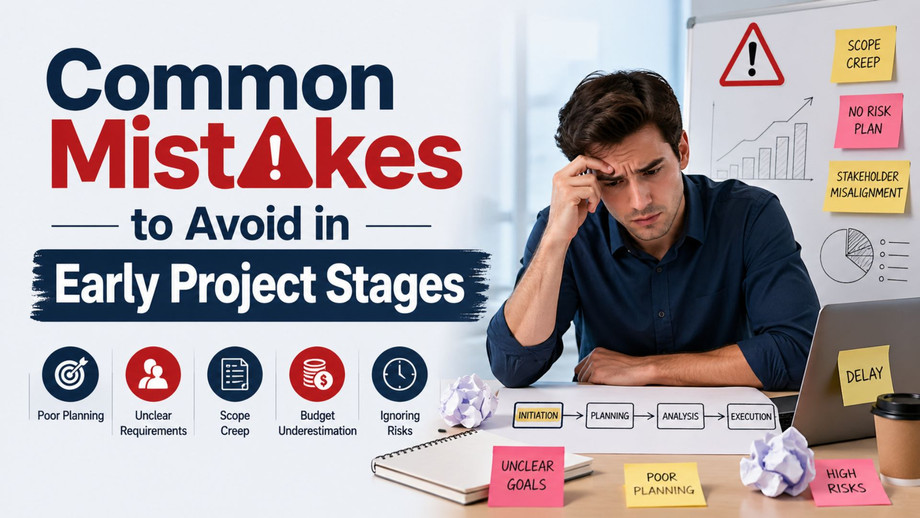
Even experienced managers make avoidable mistakes during kickoff sessions. Here are the most critical ones:
- Information Overload: Too much detail confuses stakeholders
- Lack of Engagement: One-way presentations reduce participation
- Unclear Next Steps: Without action items, momentum is lost
I once worked with a marketing team that skipped defining KPIs in the kickoff. The result? Misaligned campaigns and wasted budget. Fixing it later cost both time and trust.
How to Measure Success After the Kickoff
A kickoff is only effective if it drives results. Measure success using:
- Clarity Score: Feedback from stakeholders
- Task Completion Rate: Within the first 2 weeks
- Communication Efficiency: Fewer misunderstandings
In one enterprise project, we introduced a post-kickoff survey and improved alignment scores by 40% in subsequent projects.
You can also watch: - Emp Monitor | Boost Workplace Productivity with Employee Monitoring Software
Conclusion
A strong project start isn’t accidental; it’s designed. By focusing on clarity, structure, and engagement, you can transform your kickoff meeting into a strategic advantage. Whether you're leading a small team or a large organization, these proven strategies will help you reduce confusion, boost collaboration, and drive results. Start applying these insights in your next project and experience the difference firsthand.
FAQs
Q: What is a kickoff meeting in simple terms?
A: A kickoff meeting is the first official session of a project where stakeholders align on goals, roles, timelines, and expectations. It sets the direction and ensures everyone starts with a shared understanding, reducing confusion and improving execution efficiency.
Q: How is a kickoff meeting different from regular meetings?
A: Unlike regular meetings, a kickoff meeting focuses on project initiation and alignment. It establishes the foundation, while regular meetings track progress, resolve issues, and manage ongoing tasks throughout the project lifecycle.
Q: How do I run a successful kickoff meeting step by step?
A: Start with project goals, define roles, outline scope, set communication rules, and end with clear action items. Keep it interactive, concise, and focused on alignment rather than deep execution details.
Q: What is the typical duration of a kickoff meeting?
A: Most kickoff meetings last between 60 and 90 minutes. The duration depends on project complexity, stakeholder involvement, and the level of detail required for alignment.
Q: What are the best tools for managing kickoff meetings?
A: Tools like Zoom, Miro, Jira, and Notion are commonly used. They help with communication, visualization, and documentation, ensuring better collaboration and follow-through after the session.
Q: What is the most common mistake in kickoff meetings?
A: The biggest mistake is a lack of clarity especially around roles and deliverables. Without clear expectations, teams often face confusion, delays, and misaligned outcomes later in the project.
Comments
Post a Comment