Headcount Planning Explained: Meaning, Benefits, and Best Practices for Business Growth
Are you hiring too quickly, struggling with workforce shortages, or unsure how many employees your business actually needs? Many organizations face this challenge as they try to balance productivity, budgets, and growth. The answer often lies in a smarter workforce strategy.
Headcount planning is the process of determining how many employees a business needs, when they are needed, and what roles are essential for achieving business goals. It helps organizations forecast staffing requirements, avoid over hiring or understaffing, and allocate resources effectively.
In simple terms, it allows businesses to align hiring decisions with operational goals while keeping labor costs under control.
What Is Headcount Planning?
Headcount planning is the process of analyzing, forecasting, and determining the number of employees a business needs to achieve its operational and long-term goals. It helps organizations decide when to hire, which roles are required, and how to balance workforce capacity with business demands while managing labor costs efficiently.
Headcount planning involves evaluating:
- Current workforce capacity
- Future staffing requirements
- Business growth expectations
- Employee productivity levels
- Budget and labor costs
The main purpose is to ensure the organization has the right number of employees with the right skills at the right time.
Why Is Workforce Planning Important for Businesses?
Proper workforce forecasting benefits businesses of all sizes. Whether a startup is scaling operations or a large enterprise is managing multiple teams, planning employee numbers improves decision-making.
1. Helps Avoid Overstaffing and Understaffing
Too many employees can increase operational costs, while too few workers can reduce efficiency and customer satisfaction.
A structured workforce strategy helps organizations maintain balance and allocate labor effectively.
2. Supports Better Budget Management
Labor is often one of the largest expenses for businesses. Predicting staffing needs helps companies:
- Control payroll costs
- Reduce unnecessary hiring
- Allocate resources more efficiently
- Improve financial forecasting
3. Improves Productivity
When teams are staffed correctly, workloads become more manageable. Employees experience less burnout, and managers can distribute tasks more efficiently.
This creates a healthier work environment and improves operational performance.
4. Prepares Businesses for Growth
Companies planning to expand into new markets or launch new products often need additional employees.
Forecasting staffing requirements helps organizations prepare early rather than reacting to sudden labor shortages.
Key Steps in an Effective Workforce Planning Process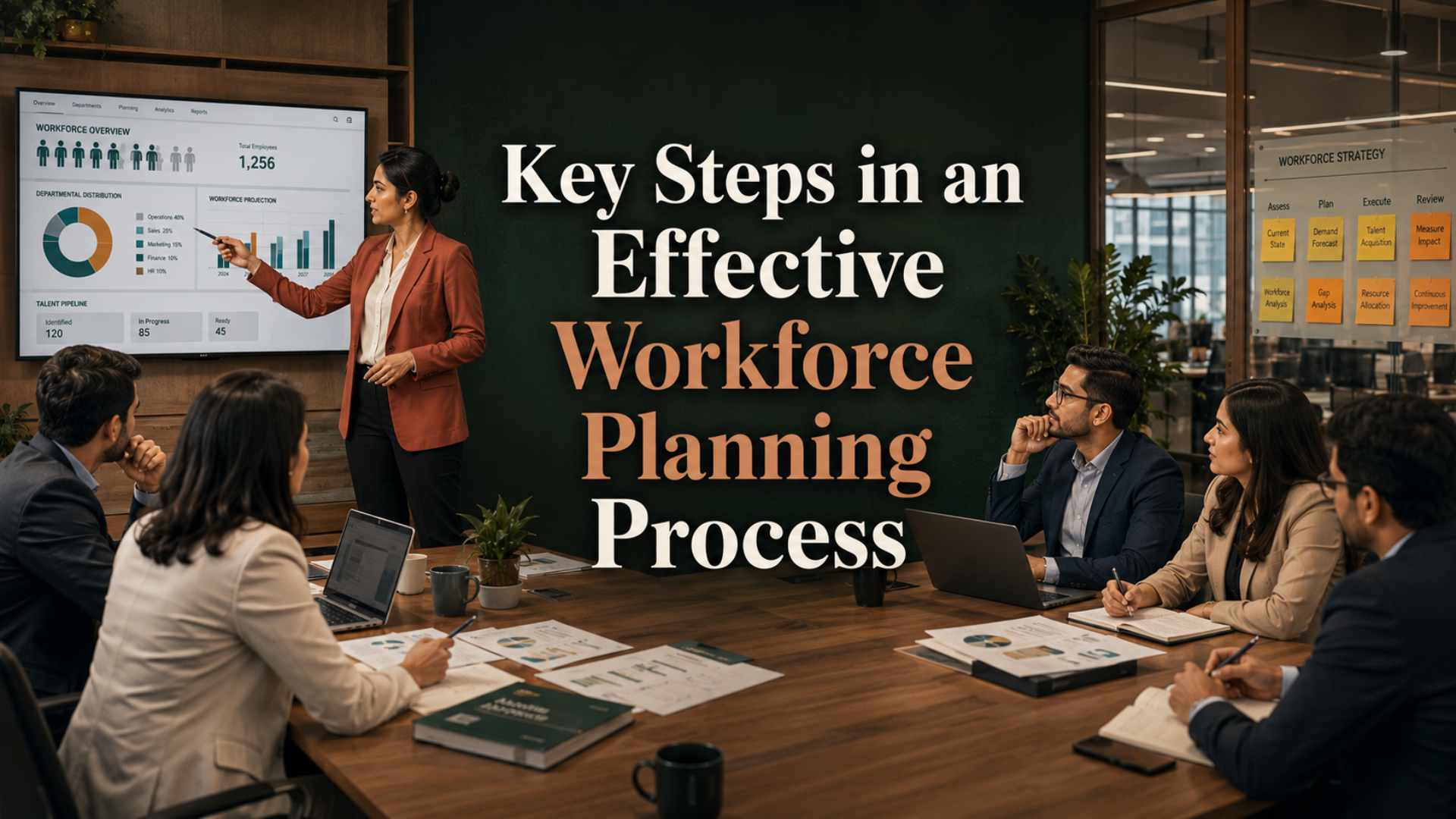
A successful workforce strategy follows a structured approach. Here are the essential steps businesses typically follow.
Step 1: Analyze the Current Workforce
Start by reviewing your existing employees and identifying:
- Current team size
- Skills available in the organization
- Productivity levels
- Workforce gaps
This helps managers understand where improvements are needed.
Step 2: Identify Future Business Needs
Future staffing depends on company objectives.
Questions businesses often ask include:
- Are we expanding operations?
- Will demand increase next quarter?
- Are there new departments being created?
- Do we need specialized skills?
This stage connects staffing decisions directly to business growth.
Step 3: Forecast Employee Requirements
Once future needs are clear, estimate how many employees will be required.
Consider factors such as:
- Employee turnover rates
- Seasonal demand
- Business expansion
- Technology adoption
- Project-based staffing needs
This prevents sudden hiring gaps.
Step 4: Focus on Setting Goals for Employees
An important part of workforce efficiency involves setting goals for employees so teams remain productive and aligned with company priorities.
Clear goals help organizations:
- Measure employee performance
- Improve accountability
- Increase engagement
- Support long-term workforce development
When expectations are defined clearly, managers can better evaluate staffing effectiveness.
Step 5: Monitor and Adjust Regularly
Workforce needs change over time. A staffing strategy should not remain fixed.
Businesses should review hiring plans regularly based on:
- Market trends
- Economic conditions
- Employee performance
- Business growth changes
Regular adjustments improve flexibility and reduce workforce risks.
Common Challenges Businesses Face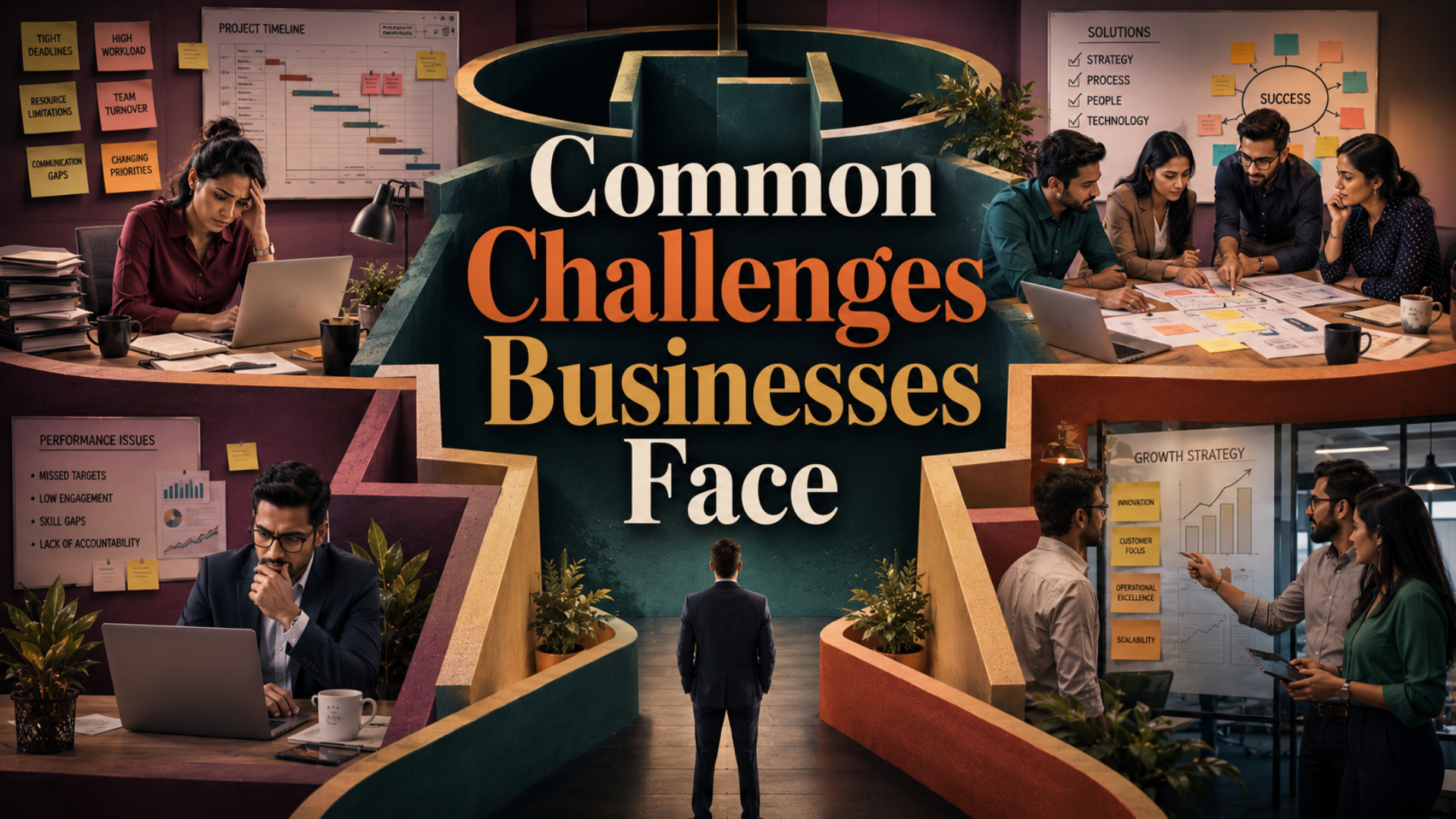
Even strong organizations can struggle with workforce forecasting.
Inaccurate Demand Predictions
Unexpected changes in customer demand may make staffing forecasts inaccurate.
Budget Constraints
Some companies struggle to hire because of payroll limitations.
Skill Gaps
Businesses may have enough employees but lack workers with specialized expertise.
High Employee Turnover
Frequent resignations can disrupt planning and increase hiring costs.
To solve these challenges, companies should use workforce data and maintain flexible hiring strategies.
Best Practices for Better Workforce Planning
Businesses that succeed often follow a few proven strategies.
Use Workforce Data
Track performance metrics, attendance, turnover, and hiring patterns to make informed decisions.
Align Hiring With Business Goals
Avoid hiring simply because teams feel busy. Recruitment should support measurable organizational objectives.
Build Internal Talent
Upskilling existing employees may reduce hiring costs and strengthen workforce stability.
Communicate Across Departments
HR leaders and department managers should work together to identify staffing priorities.
Using these strategies helps businesses make smarter workforce decisions and improve long-term efficiency.
You can also watch this video: Emp Monitor | Boost Workplace Productivity with Employee Monitoring Software.
Summary
A strong workforce strategy helps organizations hire smarter, reduce unnecessary labor costs, and improve operational efficiency. Headcount planning gives businesses a structured way to forecast staffing needs, prepare for growth, and maintain balanced workloads. By reviewing workforce capacity, predicting future requirements, and adapting plans regularly, companies can build stronger teams while avoiding staffing shortages or excess labor costs.
FAQ
What is the purpose of workforce forecasting?
The purpose is to ensure businesses have the right number of employees to meet operational goals without overspending on labor.
How often should companies review staffing plans?
Most businesses review staffing strategies quarterly or annually, though fast-growing companies may update plans more frequently.
What tools help with employee forecasting?
HR software, workforce analytics platforms, payroll systems, and productivity tracking tools are commonly used.
Why is workforce planning important for small businesses?
Small businesses often have tighter budgets, making staffing efficiency essential for growth and profitability.
Comments
Post a Comment