Loud Quitting Explained: Meaning, Causes, Examples, and Workplace Solutions
Have you ever seen an employee openly express frustration at work, publicly challenge company decisions, or make it obvious they are mentally checking out before leaving? If yes, you may have witnessed loud quitting.
In simple terms, it refers to employees openly expressing dissatisfaction with their workplace instead of silently disengaging. Unlike quiet quitting, where workers reduce effort without confrontation, this behavior is visible, vocal, and often disruptive.
This workplace trend is gaining attention because it reflects deeper issues such as poor communication, burnout, unfair treatment, lack of recognition, or toxic leadership. For employers, understanding the causes early can help reduce turnover and rebuild trust.
What Does Loud Quitting Mean?
Loud quitting is a workplace behavior where employees openly express dissatisfaction, frustration, or disengagement with their job instead of silently withdrawing. It often involves vocal complaints, public criticism of workplace issues, or visible frustration before an employee decides to leave or reduce involvement at work.
This may include:
This may include:
- Public complaints about workplace policies
- Open disagreements with leadership
- Reduced enthusiasm combined with visible frustration
- Negative discussions about management with coworkers
- Speaking openly about workplace dissatisfaction
It often happens when employees feel unheard for an extended period. Instead of quietly accepting problems, workers communicate dissatisfaction openly.
Why Does It Happen?
Several workplace factors contribute to employee dissatisfaction. In many cases, workers do not suddenly become frustrated—issues often build over time.
1. Poor Leadership Communication
Employees value transparency. When leaders fail to communicate changes, goals, or expectations clearly, frustration can grow quickly.
Common examples include:
- Lack of feedback
- Unclear responsibilities
- Inconsistent management decisions
- Ignoring employee concerns
When communication breaks down, workplace trust often suffers.
2. Burnout and Stress
Excessive workloads and unrealistic expectations can leave employees emotionally exhausted.
Signs of burnout may include:
- Decreased motivation
- Increased absenteeism
- Irritability at work
- Low morale
Workers experiencing burnout often become more vocal because stress reaches a breaking point.
3. Lack of Career Growth
Employees want opportunities to develop professionally. Limited promotions, poor training opportunities, or stagnant roles may cause frustration.
People are more likely to express dissatisfaction when they feel their contributions are overlooked.
4. Workplace Culture Problems
A negative work environment plays a major role in employee disengagement.
Examples include:
- Favoritism
- Lack of respect
- Toxic team dynamics
- Poor conflict management
A weak workplace culture often encourages resentment rather than collaboration.
Common Signs Employers Should Notice
Recognizing warning signs early can prevent deeper workplace issues.
Here are some behaviors managers should pay attention to:
- Employees openly criticizing policies
- Increased workplace conflicts
- Public dissatisfaction during meetings
- Negative comments about leadership
- Reduced motivation paired with visible frustration
These signs may indicate unresolved concerns rather than poor performance alone.
Real Examples in the Workplace
Understanding real-world scenarios makes the concept easier to recognize.
Employee Speaking Out Publicly
A worker repeatedly raises concerns about workload in meetings after months of ignored feedback.
Public Frustration on Professional Platforms
Employees may post criticism online regarding workplace culture or unfair management practices.
Open Resistance to Company Changes
Workers openly challenge policies they believe negatively affect work-life balance.
These situations usually reflect unresolved frustrations instead of sudden reactions.
How Employers Can Prevent Workplace Frustration
Organizations can reduce employee dissatisfaction through proactive strategies.
Improve Communication
Managers should encourage open conversations.
Helpful practices include:
- Regular one-on-one meetings
- Anonymous employee feedback
- Transparent decision-making
- Clear workplace expectations
Employees are less likely to become frustrated when they feel heard.
Support Employee Well-Being
Mental and emotional well-being strongly influence workplace satisfaction.
Companies can help by:
- Encouraging healthy workloads
- Offering flexible work arrangements
- Promoting mental health resources
- Preventing excessive overtime
Healthy employees are generally more engaged and productive.
Prioritize Employee Recognition
Recognition improves morale and motivation.
Simple actions include:
- Celebrating achievements
- Providing career growth opportunities
- Rewarding strong performance
- Encouraging professional development
Feeling appreciated often reduces workplace resentment.
Strengthen Security and Trust
Modern workplaces must also focus on employee data protection to maintain trust. Employees want assurance that personal information, payroll records, and workplace data remain secure.
Businesses can improve trust by:
- Implementing strong cybersecurity measures
- Limiting unauthorized data access
- Providing transparency regarding data handling
- Training employees on digital security practices
Trust grows when workers feel respected both professionally and personally.
The Difference Between Open Workplace Frustration and Quiet Disengagement
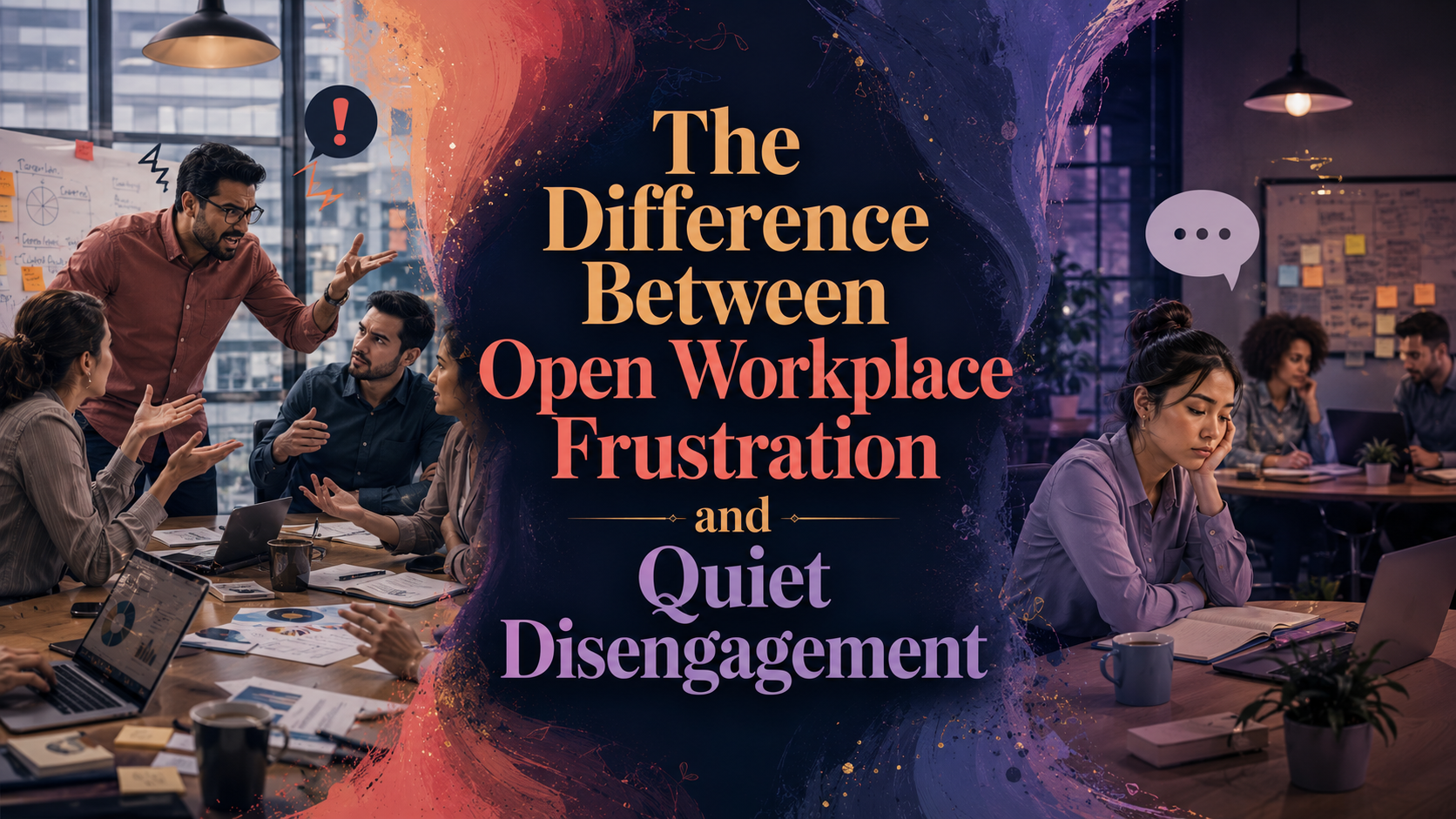
Although people often compare these workplace trends, they are different.
Quiet disengagement typically happens silently. Employees continue working but stop going beyond basic expectations.
By contrast, loud quitting involves visible dissatisfaction, vocal concerns, or public frustration. It is often easier to notice because the behavior becomes more outward and difficult to ignore.
Understanding this difference helps organizations respond appropriately and improve employee experiences before turnover increases.
How Managers Should Respond
Leaders should avoid reacting defensively when employees express concerns.
Instead, they should:
- Listen without interruption
- Identify root causes of frustration
- Address valid concerns quickly
- Improve workplace transparency
- Create action plans for improvement
Constructive conversations often prevent problems from escalating.
You can also watch this video: Emp Monitor | Boost Workplace Productivity with Employee Monitoring Software.
Summary
Understanding loud quitting is important for modern workplaces because it highlights employee dissatisfaction before it turns into resignations or major disruptions. Most workplace frustration develops gradually due to poor communication, burnout, lack of recognition, or unhealthy work environments. Employers who prioritize transparency, employee well-being, growth opportunities, and trust are more likely to build stronger teams and improve long-term retention.
FAQ
What is loud quitting in simple terms?
It refers to employees openly expressing dissatisfaction with their workplace instead of quietly disengaging.
What causes employees to become vocal about workplace frustration?
Common reasons include burnout, poor leadership, lack of recognition, toxic work culture, and limited career growth.
Is loud quitting bad for organizations?
It can negatively affect morale and productivity if ignored, but it can also reveal workplace problems that need attention.
How can companies reduce workplace dissatisfaction?
Businesses can improve communication, support employee well-being, encourage feedback, recognize contributions, and maintain a healthy workplace culture.
Is loud quitting the same as quitting a job?
No. It usually refers to visible dissatisfaction before resignation or disengagement, rather than formally leaving immediately.
Comments
Post a Comment