What Is Job Allocation? Best Practices to Assign Work Efficiently
Have you ever wondered why some teams complete projects smoothly while others struggle with delays and confusion? The answer often comes down to how tasks are assigned and managed. A clear system for assigning responsibilities helps employees stay productive, reduces burnout, and ensures work gets completed on time.
In simple terms, job allocation is the process of assigning tasks, responsibilities, and resources to employees based on their skills, availability, and business priorities. When done correctly, it improves efficiency, teamwork, and accountability across an organization.
Why Proper Task Assignment Matters in Every Business
Job allocation is the process of assigning specific tasks, responsibilities, and duties to employees based on their skills, experience, availability, and organizational needs. It helps businesses distribute work efficiently, improve productivity, and ensure that projects are completed on time.
Every business depends on employees understanding what they need to do and when it needs to be completed. Without a structured approach, teams can experience:
- Missed deadlines
- Uneven workloads
- Poor communication
- Reduced productivity
- Employee frustration
Effective task distribution helps organizations maintain balance while ensuring projects move forward without unnecessary delays.
Key Benefits of Effective Work Distribution
Improves Productivity
Employees perform better when tasks match their skills and experience. Clear responsibilities eliminate confusion and help teams focus on meaningful work.
Reduces Employee Burnout
Uneven workloads often lead to stress and exhaustion. Managers who distribute work fairly create healthier and more motivated teams.
Enhances Team Collaboration
When responsibilities are clearly defined, employees understand how their work connects with others. This improves communication and teamwork.
Supports Better Decision-Making
Managers can identify resource gaps, workload issues, and project bottlenecks more quickly when responsibilities are organized effectively.
How Managers Can Allocate Work More Efficiently
Understand Employee Strengths
Before assigning responsibilities, managers should evaluate each employee’s:
- Skills
- Experience
- Availability
- Performance history
- Career goals
This creates stronger alignment between tasks and employee capabilities.
Set Clear Expectations
Employees should understand:
- What needs to be completed
- The expected deadline
- Performance standards
- Reporting processes
Clear communication reduces misunderstandings and increases accountability.
Use Technology for Better Coordination
Modern workforce management tools help managers:
- Track workloads
- Monitor deadlines
- Improve scheduling
- Manage remote teams
- Balance resources effectively
These systems provide real-time visibility into team performance and project progress.
Common Challenges Businesses Face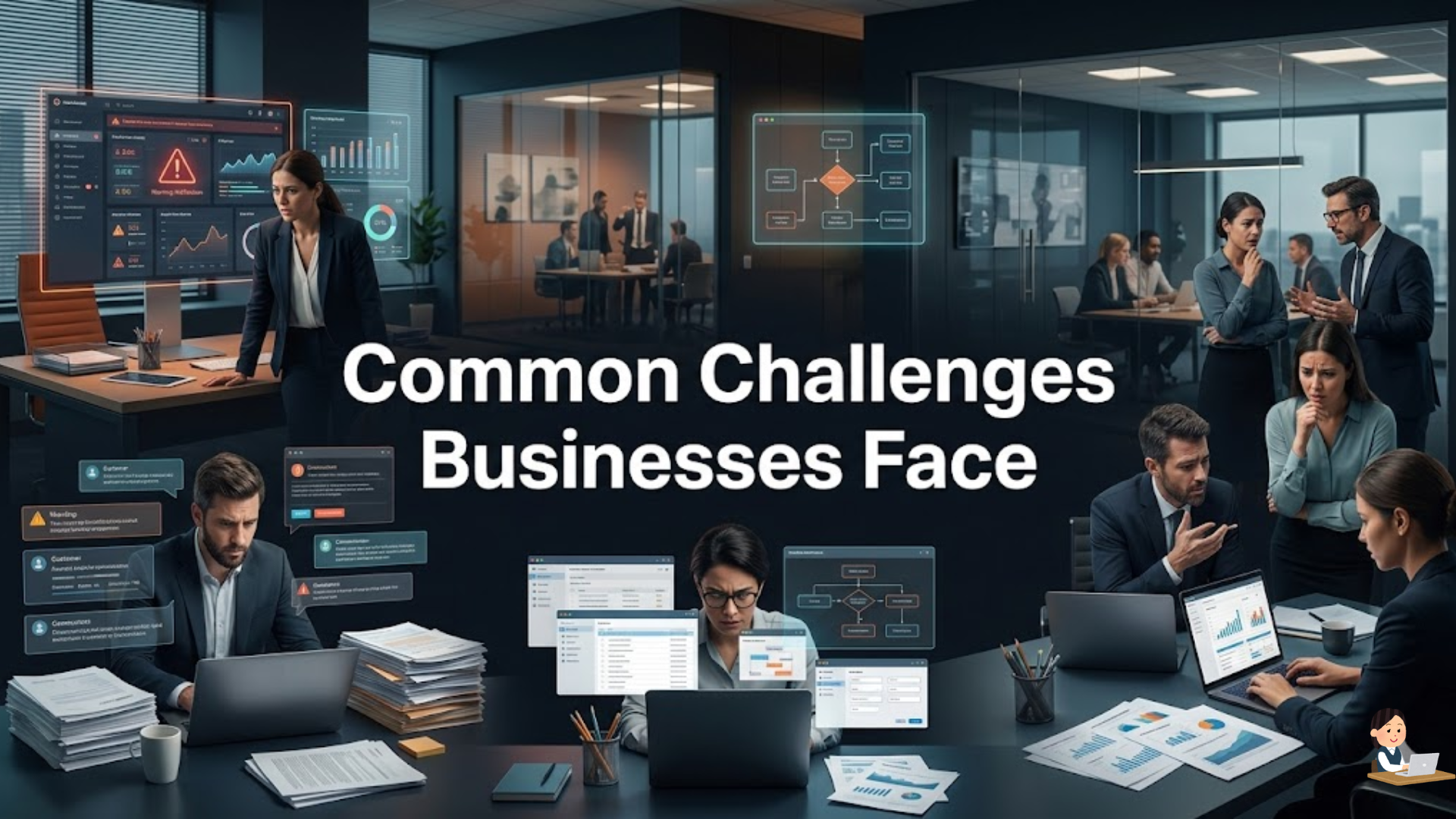
Unequal Workloads
Some employees may receive too many responsibilities while others remain underutilized. This imbalance affects morale and productivity.
Lack of Communication
Poor communication often results in duplicated work, missed priorities, or confusion about responsibilities.
Changing Priorities
Businesses frequently adjust goals due to client demands, market changes, or operational issues. Managers must remain flexible when redistributing tasks.
Best Practices for Long-Term Success
Create Transparent Processes
Employees should always know:
- Who is responsible for each task
- Project timelines
- Team expectations
- Escalation procedures
Transparency increases trust and reduces workplace confusion.
Review Performance Regularly
Regular feedback sessions help managers identify improvement areas and recognize employee achievements. Conducting evaluations for employees consistently also helps organizations improve task assignment strategies over time.
Encourage Employee Feedback
Employees often provide valuable insights into workload distribution and operational inefficiencies. Listening to their concerns can improve both productivity and morale.
The Role of Leadership in Workforce Efficiency
Strong leadership plays a critical role in maintaining organized workflows. Managers who communicate clearly and support their teams create more efficient working environments.
Leaders should focus on:
- Prioritizing high-impact work
- Supporting employee development
- Adjusting workloads when necessary
- Encouraging collaboration
- Monitoring team performance fairly
Organizations that invest in leadership training often experience smoother operations and stronger employee engagement.
How Technology Is Changing Modern Workforce Planning
Digital platforms now allow businesses to automate scheduling, monitor productivity, and improve operational visibility. These tools are especially useful for hybrid and remote teams.
Popular workforce management features include:
- Real-time scheduling
- Attendance tracking
- Task management dashboards
- Performance monitoring
- Automated reporting
Technology helps businesses make faster and more accurate staffing decisions.
Signs Your Current System Needs Improvement
Your company may need a better approach if you notice:
- Frequent missed deadlines
- Employee overload
- Low team morale
- Poor communication
- High turnover rates
- Project delays
Recognizing these warning signs early helps businesses improve efficiency before larger operational issues develop.
Building a More Productive Workplace Culture
Creating a productive workplace requires more than assigning tasks. Businesses should also focus on employee engagement, communication, and continuous improvement.
A healthy workplace culture encourages:
- Accountability
- Teamwork
- Fair workload distribution
- Professional development
- Open communication
Managers who support employees effectively often see stronger long-term business performance.
You can also watch this video: Emp Monitor | Boost Workplace Productivity with Employee Monitoring Software.
Summary
A structured approach to job allocation helps businesses improve productivity, reduce stress, and manage resources more effectively. When managers assign responsibilities based on employee strengths and business priorities, teams work more efficiently and communicate more clearly. Companies that combine strong leadership, modern technology, and regular feedback processes create better outcomes for both employees and organizational growth.
FAQ
What is the main purpose of job allocation?
The main purpose is to assign tasks efficiently so employees can complete work productively while maintaining balanced workloads.
Why is workload balancing important?
Balanced workloads help reduce burnout, improve employee satisfaction, and increase overall productivity.
How can businesses improve workforce planning?
Businesses can improve planning by using scheduling software, setting clear expectations, monitoring performance, and encouraging employee feedback.
What role does technology play in task management?
Technology helps organizations automate scheduling, track progress, manage deadlines, and improve communication across teams.
Why are employee performance reviews important?
Regular reviews help managers understand employee strengths, improve productivity, and support professional development.
Comments
Post a Comment