What Is Work Track? A Complete Guide to Better Productivity and Team Management
Have you ever wondered why some teams consistently meet deadlines while others struggle with delays, confusion, and missed tasks? The answer often comes down to how effectively work is monitored, organized, and measured.
In simple terms, work track refers to the process of monitoring tasks, employee performance, schedules, and productivity to ensure work is completed efficiently. Businesses use tracking methods to improve accountability, reduce wasted time, and make informed decisions based on performance data.
Whether you manage a remote team, a growing company, or daily employee operations, understanding how work tracking functions can help improve overall productivity and workflow management.
Why Is Tracking Work Important in Modern Businesses?
Businesses today operate in fast-moving environments where deadlines, productivity, and accountability matter more than ever. Without proper tracking systems, projects can quickly become disorganized.
Effective work monitoring helps organizations:
- Improve employee productivity
- Track project progress in real time
- Reduce delays and missed deadlines
- Increase transparency among teams
- Identify performance bottlenecks early
Companies that track progress properly often make faster decisions and avoid operational confusion.
How Does Work Tracking Actually Work?
Work track involves monitoring different aspects of daily operations to ensure tasks move smoothly from start to finish.
A business may track:
1. Employee Attendance and Time
Managers often monitor working hours, shifts, overtime, and break times to improve workforce planning.
2. Task Completion
Projects are broken into smaller tasks so managers can see progress, deadlines, and pending responsibilities.
3. Team Productivity
Organizations measure how efficiently employees complete assignments and contribute to company goals.
4. Workflow Performance
Businesses evaluate whether processes are helping or slowing down productivity.
This system allows leaders to understand what is working and what needs improvement.
Key Benefits of Using a Proper Work Tracking System
Implementing a structured tracking approach can positively affect both employees and employers.
Better Accountability
When responsibilities are clearly assigned and tracked, employees understand expectations more clearly.
Improved Time Management
Teams become more aware of how time is spent, helping reduce distractions and inefficiencies.
Faster Decision-Making
Managers gain access to accurate performance insights rather than relying on assumptions.
Higher Productivity
Employees often perform more consistently when goals, progress, and deadlines are visible.
Better Resource Planning
Businesses can allocate staff and workloads more effectively to avoid burnout or underutilization.
Common Features Businesses Look for in Tracking Solutions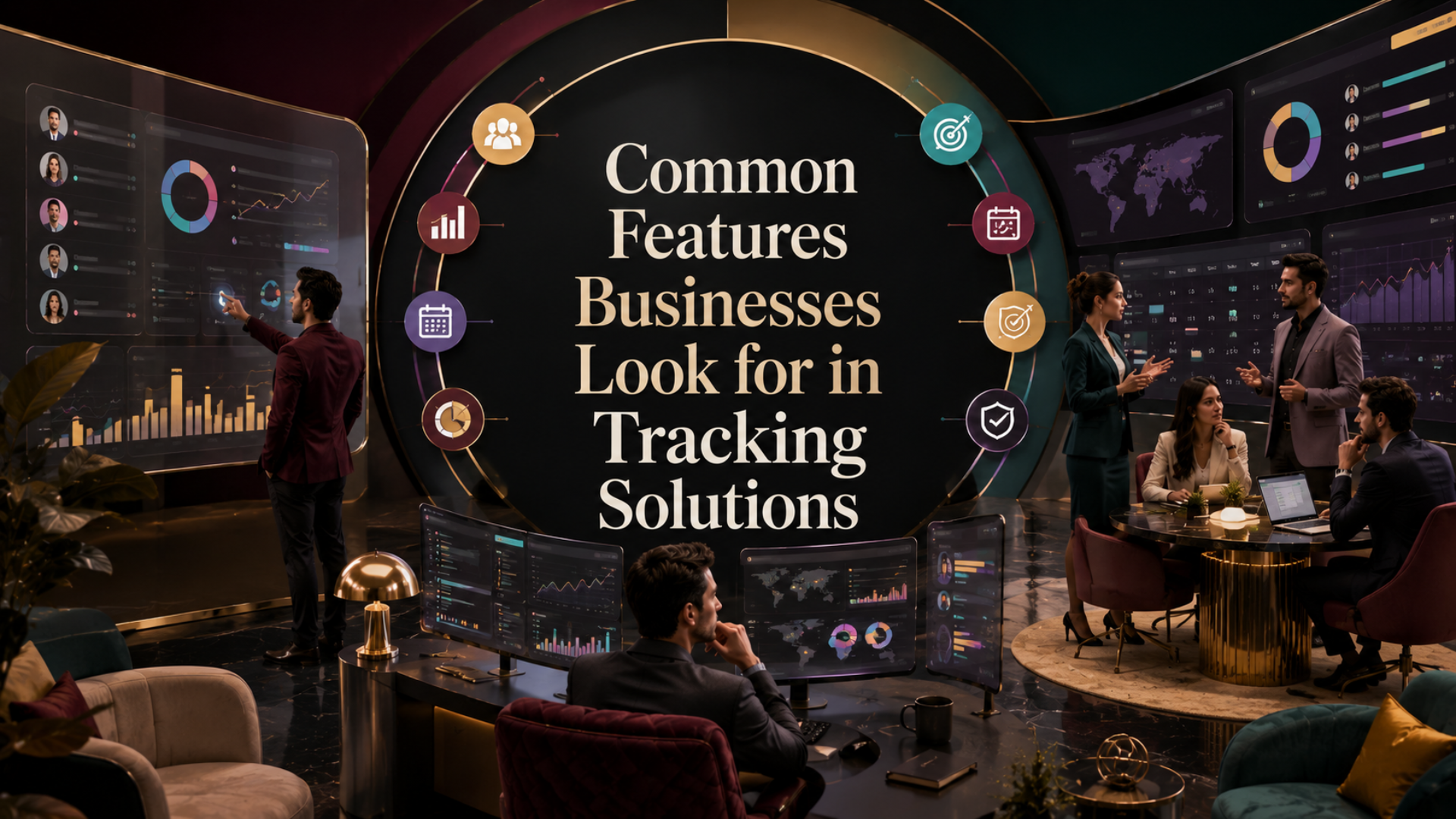
Organizations often use digital systems to simplify monitoring and reporting.
Typical features include:
- Task scheduling
- Time tracking
- Employee attendance monitoring
- Progress dashboards
- Performance analytics
- Shift and workload management
The right system depends on company size, business goals, and operational needs.
How Work Tracking Supports Better Team Performance
One of the biggest advantages of monitoring workplace activity is improved collaboration.
Teams perform better when they can:
- Clearly understand priorities
- Communicate project updates faster
- Avoid duplicate work
- Identify delays early
- Stay aligned with deadlines
Strong visibility into tasks creates fewer misunderstandings and encourages smoother teamwork.
Challenges Businesses May Face Without Proper Tracking
Without structured oversight, organizations often encounter avoidable issues.
Some common challenges include:
- Missed deadlines
- Low accountability
- Poor employee visibility
- Uneven workload distribution
- Reduced operational efficiency
Over time, these problems can affect employee morale and overall business growth.
The Role of Tracking in the Workforce Management Process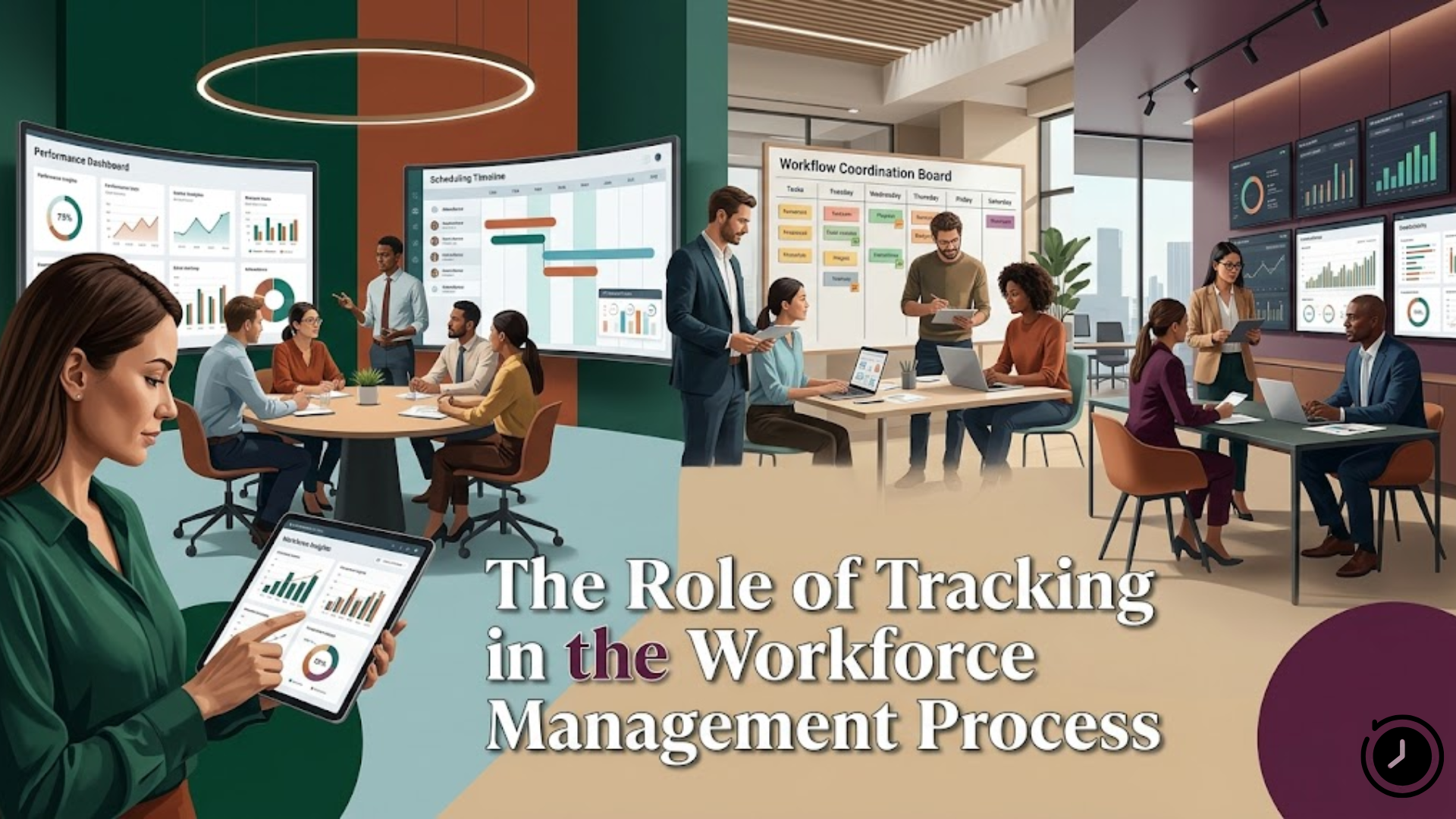
A strong workforce management process depends heavily on visibility and accurate data. Businesses need reliable information about employee schedules, productivity, workload distribution, and staffing requirements.
Tracking systems help companies:
- Forecast staffing needs
- Reduce scheduling conflicts
- Monitor labor costs
- Improve employee utilization
- Maintain operational consistency
When organizations understand where time and effort are being invested, they can make smarter decisions and improve long-term efficiency.
Best Practices for Effective Work Monitoring
If your business wants better results, following a few practical strategies can make a major difference.
Set Clear Goals
Employees perform better when expectations are measurable and easy to understand.
Avoid Micromanagement
Tracking should support employees rather than create unnecessary pressure.
Use Data Wisely
Focus on meaningful performance insights instead of excessive monitoring.
Encourage Transparency
Keep communication open so employees understand why tracking exists.
Using work track methods strategically helps businesses improve efficiency while maintaining trust and accountability.
You can also watch this video: Emp Monitor | Boost Workplace Productivity with Employee Monitoring Software.
Summary
Work Track is no longer just about monitoring attendance or deadlines. It has become an essential part of improving productivity, accountability, and team performance. Businesses that monitor workflows effectively gain better visibility into operations, reduce inefficiencies, and make more informed decisions.
A well-structured approach to work monitoring supports employee growth, better planning, and smoother collaboration. Whether managing a small team or a large organization, consistent tracking practices can help create a more organized and productive workplace.
FAQ
What does work track mean?
Work track refers to the process of monitoring tasks, productivity, employee performance, and progress to improve efficiency and accountability.
Why is work tracking important?
It helps businesses stay organized, improve productivity, monitor deadlines, and make better operational decisions.
Can small businesses benefit from work tracking?
Yes. Small businesses can use tracking methods to improve scheduling, accountability, and employee productivity.
What tools are commonly used for work tracking?
Many businesses use digital tools for task management, attendance monitoring, scheduling, and performance tracking.
How does work tracking improve productivity?
It helps employees stay focused, reduces confusion, and provides clear visibility into goals and deadlines.
Comments
Post a Comment