Team Collaboration Skills: Essential Strategies to Build Stronger and More Productive Teams
What makes some teams work seamlessly while others struggle with missed deadlines, confusion, and workplace tension? The answer often comes down to one critical factor: collaboration. In today’s fast-moving workplaces, employees are expected to communicate clearly, solve problems together, and align toward common goals.
At its core, team collaboration skills refer to the abilities that help people work effectively with others to complete tasks, share responsibilities, and achieve better results. These skills include communication, active listening, adaptability, conflict resolution, accountability, and trust-building.
Strong collaboration improves workplace productivity, reduces misunderstandings, and creates a healthier work culture. Whether employees work remotely, in-office, or in hybrid environments, learning how to collaborate effectively can significantly improve overall performance.
Why Are Collaboration Skills Important in the Workplace?
Workplaces rely on team collaboration skills more than ever before. Employees often work across departments, time zones, and communication platforms, making collaboration an essential workplace competency.
Here’s why effective collaboration matters:
- Improves communication between team members
- Reduces workplace misunderstandings
- Encourages innovation and idea-sharing
- Helps teams solve problems faster
- Increases accountability and trust
- Improves employee engagement and morale
When people collaborate effectively, tasks move faster and workplace relationships become stronger.
What Are the Most Important Collaboration Skills?
1. Communication Skills
Clear communication forms the foundation of successful teamwork. Employees must know how to share ideas, explain expectations, ask questions, and provide feedback constructively.
Strong communicators:
- Speak clearly and professionally
- Share updates regularly
- Ask clarifying questions
- Avoid assumptions
Good communication also means choosing the right platform—whether meetings, chats, or emails—to avoid confusion.
2. Active Listening
Collaboration is not only about speaking; it also requires listening carefully. Active listening helps employees understand concerns, gather ideas, and avoid unnecessary misunderstandings.
People who actively listen tend to:
- Give full attention during conversations
- Avoid interrupting others
- Ask follow-up questions
- Respect different viewpoints
This creates a culture where employees feel heard and valued.
3. Problem-Solving Abilities
Challenges are unavoidable in every workplace. Teams that solve problems together often perform better than individuals working independently.
Effective problem-solving includes:
- Identifying the root issue
- Brainstorming possible solutions
- Evaluating risks and benefits
- Making informed decisions as a group
Collaborative problem-solving encourages creativity and reduces workplace stress.
4. Adaptability
Modern workplaces constantly evolve. New technologies, shifting priorities, and remote work trends require employees to stay flexible.
Adaptable team members can:
- Adjust to changing deadlines
- Learn new systems quickly
- Work with different personalities
- Handle unexpected challenges calmly
Flexibility strengthens teamwork and prevents disruption.
5. Conflict Resolution
Disagreements are normal in any team. What matters is how employees handle them.
Strong conflict resolution involves:
- Addressing issues early
- Remaining respectful during disagreements
- Focusing on solutions rather than blame
- Finding common ground
Healthy conflict can even improve innovation by introducing new perspectives.
6. Accountability and Reliability
Reliable employees build trust within teams. Team members should complete tasks on time and communicate when challenges arise.
Accountability includes:
- Meeting deadlines
- Taking ownership of mistakes
- Delivering quality work
- Supporting teammates when necessary
Teams become stronger when everyone contributes consistently.
How Technology Supports Better Collaboration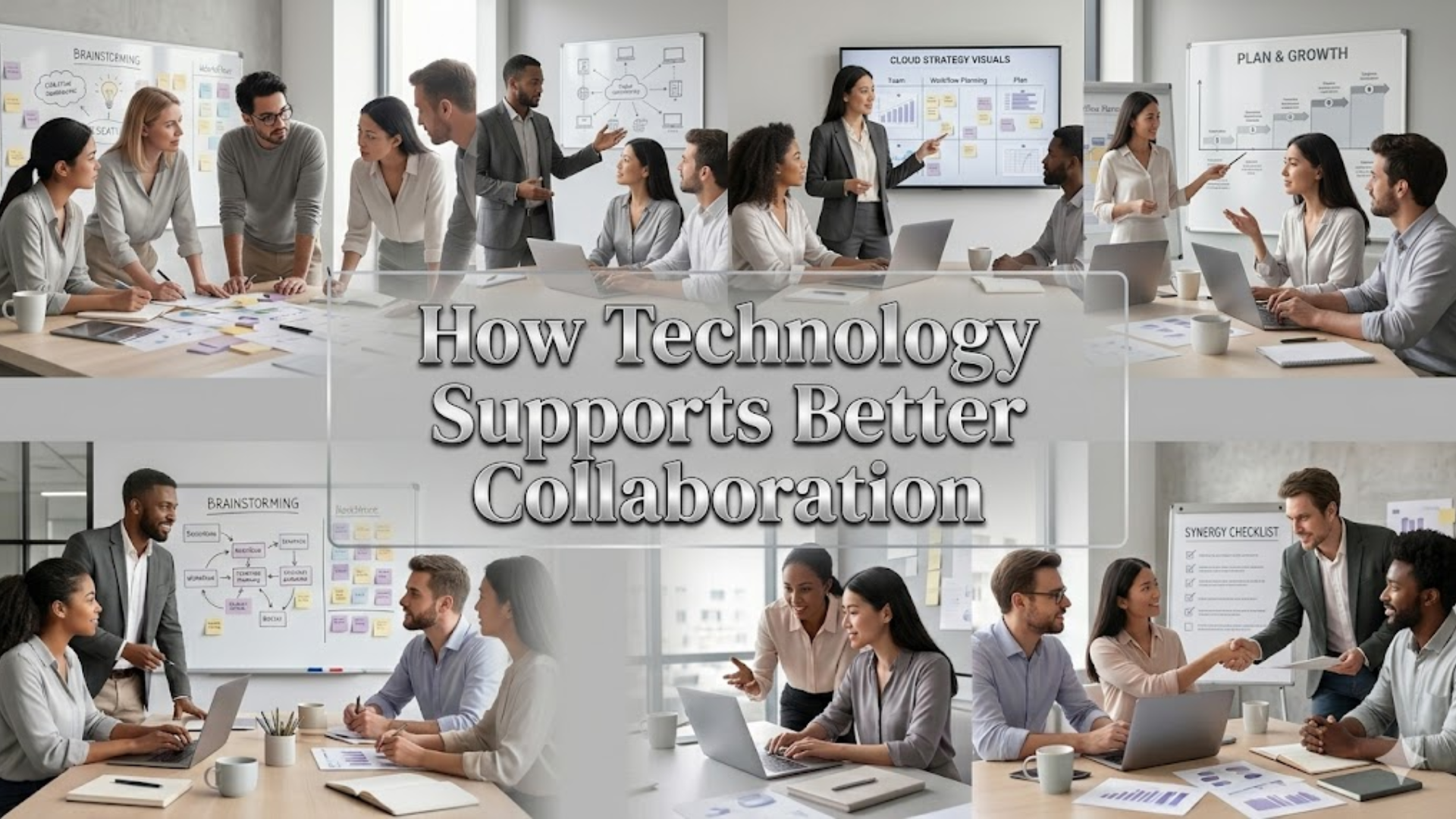
Technology plays an important role in helping teams stay connected and productive. Communication platforms, project management tools, video conferencing software, and shared documents make teamwork easier regardless of location.
Organizations also use workplace management systems to improve transparency and workflow visibility. For example, some businesses implement email monitoring software to ensure communication compliance, improve workflow efficiency, and identify operational bottlenecks. When used ethically and transparently, these tools can support productivity without disrupting trust.
However, technology should support teamwork—not replace human communication. Regular discussions and clear expectations still matter.
How to Improve Workplace Collaboration
Improving teamwork requires consistent effort and leadership support. Here are practical ways organizations can strengthen collaboration:
Set Clear Goals
Employees collaborate better when everyone understands expectations and objectives.
Encourage Open Communication
Create an environment where employees feel comfortable sharing opinions and feedback.
Promote Trust
Trust develops when leaders remain transparent and employees support one another.
Use Collaboration Tools Wisely
Project tracking platforms, messaging apps, and shared calendars can simplify teamwork and reduce confusion.
Offer Skill Development Opportunities
Workshops, mentoring, and training programs can strengthen communication, leadership, and interpersonal abilities.
Building stronger team collaboration skills takes time, but consistent improvement leads to better workplace outcomes and healthier relationships among employees.
Common Challenges Teams Face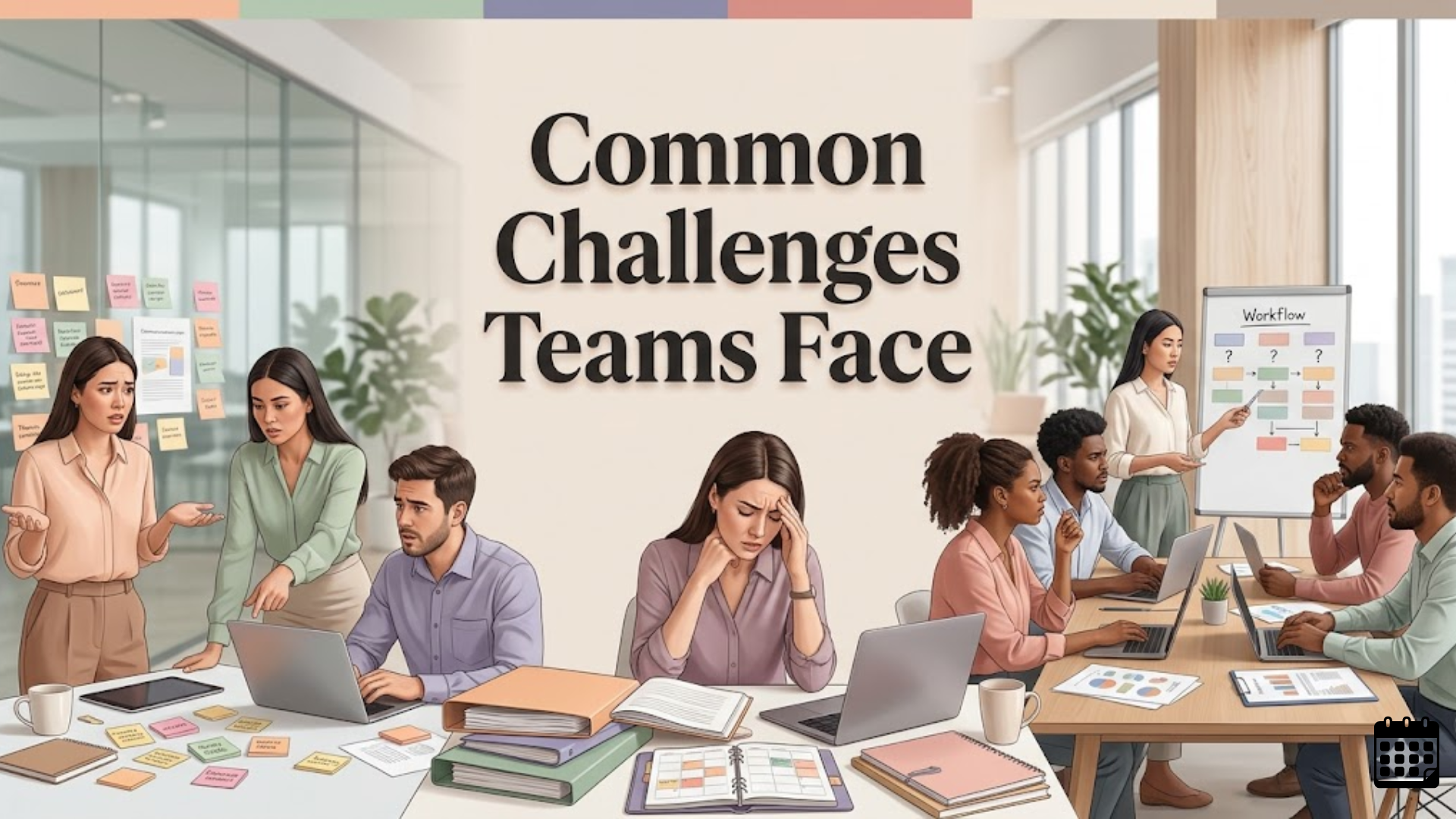
Even high-performing teams experience obstacles. Some common collaboration challenges include:
- Poor communication
- Misaligned priorities
- Lack of trust
- Unclear responsibilities
- Resistance to change
Addressing these challenges early helps teams stay productive and avoid unnecessary workplace tension.
You can also watch this video: Emp Monitor | Boost Workplace Productivity with Employee Monitoring Software.
Summary
Team Collaboration Skills is one of the most valuable workplace strengths because it improves communication, trust, and productivity. Teams that listen actively, solve problems together, adapt to change, and maintain accountability often perform better than those working in silos. While technology can support teamwork, strong workplace relationships remain the foundation of long-term success. Organizations that prioritize training and communication create environments where employees can thrive together and deliver stronger results.
FAQ
What are collaboration skills in simple words?
Collaboration skills are abilities that help people work effectively with others, including communication, teamwork, listening, problem-solving, and adaptability.
Why are collaboration skills important?
They improve workplace productivity, reduce misunderstandings, and help teams achieve shared goals more efficiently.
How can employees improve collaboration?
Employees can improve collaboration by communicating clearly, listening actively, staying accountable, and being open to feedback.
What is the biggest barrier to workplace collaboration?
Poor communication is often the biggest challenge because it creates confusion, delays, and misunderstandings among team members.
Comments
Post a Comment