Time Card Software: Benefits, Features, and How It Improves Workforce Productivity
Are missed punches, payroll errors, or inaccurate attendance records slowing down your business? Managing employee hours manually can quickly become overwhelming, especially when teams work across shifts, locations, or hybrid schedules. Businesses today need smarter ways to monitor attendance, improve accountability, and reduce payroll mistakes.
Time card software is a digital solution that helps businesses track employee working hours, attendance, overtime, and shift schedules accurately. Instead of relying on spreadsheets or paper-based systems, companies can automate time tracking, reduce human error, and simplify payroll processing.
Whether you run a small business or manage a large workforce, adopting the right employee time-tracking system can improve efficiency, transparency, and compliance.
What Is Time Card Software?
A Time card software is a digital platform designed to record employee work hours automatically. Employees can clock in and clock out using desktops, mobile devices, biometric systems, or GPS-enabled apps.
Unlike traditional punch cards, modern tracking systems provide real-time insights into employee attendance, project hours, overtime, and productivity.
Businesses commonly use these systems to:
- Monitor employee attendance
- Reduce payroll discrepancies
- Track overtime hours
- Improve workforce accountability
- Simplify compliance reporting
By automating attendance management, businesses save administrative time and reduce costly mistakes.
Why Businesses Need Smarter Time Tracking Solutions
Tracking employee time manually often leads to challenges such as:
1. Payroll Errors
Incorrect work-hour calculations can result in overpayments or underpayments, creating frustration for both employers and employees.
2. Time Theft and Buddy Punching
Manual attendance methods make it easier for employees to manipulate time records. Digital systems help reduce fraud through biometric verification, mobile check-ins, and GPS tracking.
3. Administrative Burden
HR teams spend unnecessary hours calculating attendance, overtime, and leave records. Automated solutions simplify these repetitive tasks.
4. Lack of Visibility
Managers often struggle to understand workforce productivity without real-time attendance insights.
A digital attendance platform solves these problems while improving operational efficiency.
Key Features to Look for in Employee Time Tracking Systems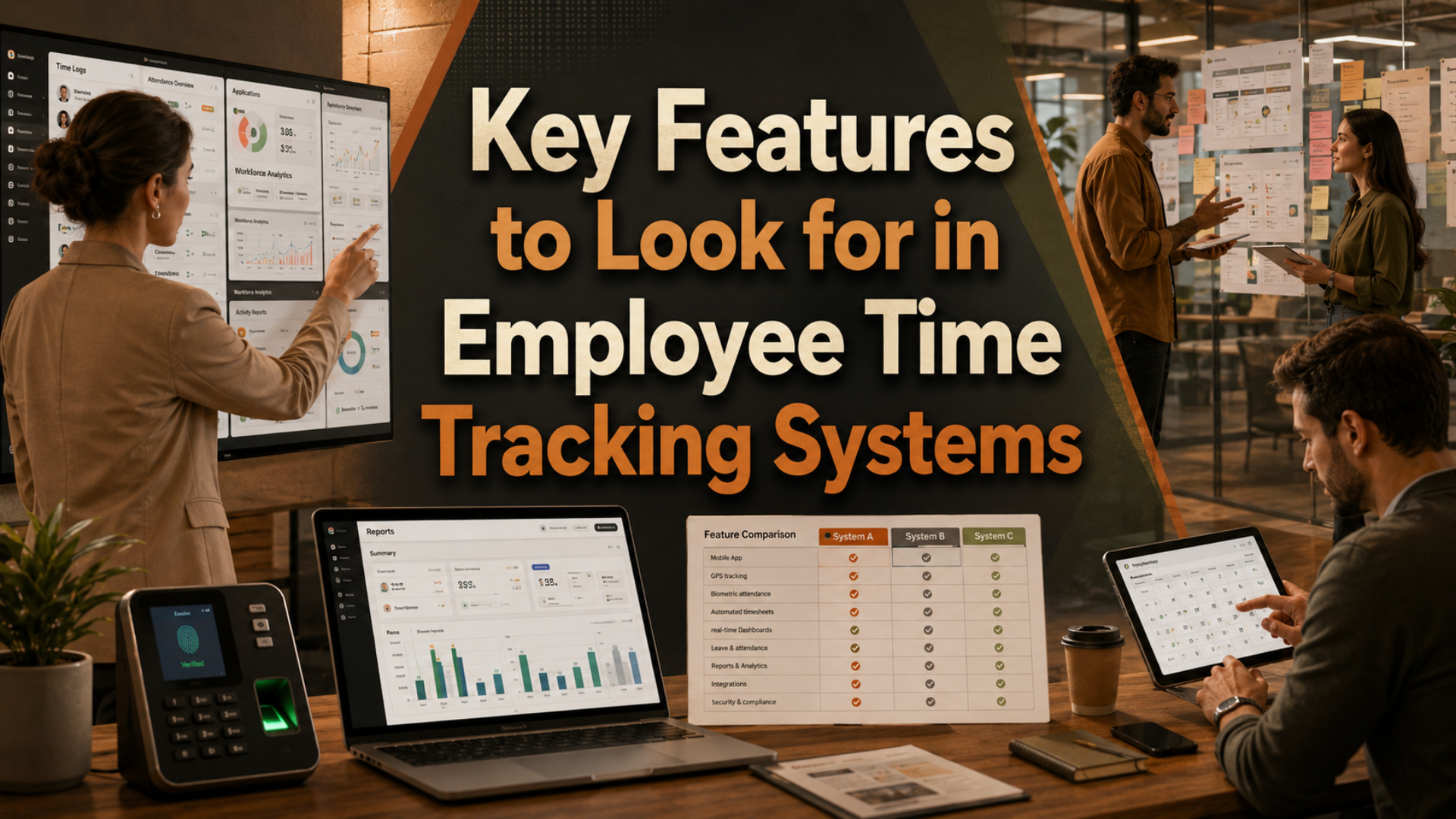
Not all attendance tools offer the same capabilities. Businesses should evaluate features based on operational needs.
Automated Clock-In and Clock-Out
Employees should be able to log hours quickly through:
- Mobile apps
- Web portals
- Biometric devices
- QR code check-ins
Payroll Integration
A strong system connects directly with payroll software to minimize calculation errors and reduce manual work.
Real-Time Attendance Monitoring
Managers gain immediate visibility into:
- Late arrivals
- Overtime trends
- Shift adherence
- Employee availability
Reporting and Analytics
Detailed reports help businesses identify attendance patterns and make informed staffing decisions.
Mobile Accessibility
Remote and field employees benefit from location-based attendance tracking, especially in industries with distributed teams.
How Time Mapping Improves Workforce Planning
Many organizations now combine attendance tracking with time mapping to better understand how employee hours are distributed across tasks and schedules.
Time mapping helps managers identify productivity bottlenecks, inefficient workflows, and scheduling gaps. Instead of simply tracking when employees are present, businesses can understand how time is actually spent.
For example, if teams consistently spend excessive hours on low-priority tasks, managers can restructure workflows and improve operational efficiency.
This approach becomes especially useful for businesses managing multiple departments, shifts, or project-based teams.
Benefits of Using Digital Attendance Solutions
Implementing modern workforce tracking tools offers measurable business advantages.
Increased Accuracy
Automated hour tracking significantly reduces human error compared to spreadsheets or manual records.
Better Payroll Management
Accurate attendance data ensures employees are paid correctly and on time.
Improved Employee Accountability
When attendance is transparent, employees become more consistent with schedules and productivity expectations.
Easier Labor Compliance
Many industries require businesses to maintain proper attendance and overtime records. Digital systems simplify audits and compliance reporting.
Higher Productivity
Managers spend less time resolving attendance issues and more time focusing on strategic priorities.
After several months of implementation, many organizations notice stronger operational efficiency and reduced payroll disputes.
How to Choose the Right Time Tracking Solution
Before selecting a workforce attendance platform, consider these factors:
- Business Size – Small teams may need basic tracking, while enterprises require advanced analytics.
- Remote Workforce Needs – GPS tracking may be essential for mobile employees.
- Integration Capabilities – Ensure compatibility with payroll and HR systems.
- Ease of Use – Employees should find the platform simple and intuitive.
- Scalability – Choose software that can grow alongside your workforce.
The best solutions combine automation, reporting, and flexibility without adding unnecessary complexity.
You can also watch this video: Emp Monitor | Boost Workplace Productivity with Employee Monitoring Software.
Summary
Modern businesses can no longer rely on outdated attendance methods if they want to improve workforce efficiency and payroll accuracy. Time card software helps organizations streamline attendance tracking, reduce payroll errors, improve compliance, and gain better visibility into employee work hours. When combined with smarter planning approaches such as workforce analytics and productivity tracking, businesses can build a more accountable and efficient workplace. Choosing the right platform depends on company size, operational needs, and workforce structure, but investing in digital attendance management often delivers long-term operational benefits.
FAQ
What is time card software used for?
It is used to track employee work hours, attendance, overtime, and shift schedules while helping businesses simplify payroll and workforce management.
Is time card software suitable for small businesses?
Yes. Small businesses benefit from automated attendance tracking, reduced payroll mistakes, and better workforce visibility.
Can remote employees use attendance tracking systems?
Most modern systems include mobile apps with GPS functionality, allowing remote and field employees to clock in and out accurately.
How does attendance software reduce payroll errors?
It automates work-hour calculations, minimizing manual entry mistakes and improving payroll accuracy.
What industries benefit the most from employee time tracking?
Industries such as healthcare, retail, construction, logistics, manufacturing, and IT commonly benefit from digital attendance management.
Comments
Post a Comment