What Is Clock In and Out Software? Benefits, Features, and Why Businesses Need It
Are payroll errors, missed shifts, or attendance confusion slowing down your business? Many companies struggle to accurately monitor employee work hours, especially with remote and hybrid teams becoming more common. This is where digital time-tracking tools can make a measurable difference.
A modern employee and Clock in and out software time-tracking solution helps businesses record when employees start and finish work, monitor attendance, reduce payroll mistakes, and improve accountability. Instead of relying on paper timesheets or spreadsheets, organizations can automate workforce tracking and gain better visibility into employee schedules.
Whether you run a small company or manage a large workforce, understanding how these systems work can help you improve operational efficiency and workforce management.
What Is Clock In and Out Software?
Clock in and out software is a digital solution that helps businesses track employee working hours, attendance, breaks, and shift schedules. Employees can log their work time using devices such as smartphones, desktops, tablets, or biometric systems.
The software automatically records time entries, making it easier for businesses to manage payroll, prevent time theft, and improve scheduling accuracy.
Most systems include features like:
- Employee attendance tracking
- Shift scheduling
- Break management
- GPS or location tracking for field teams
- Payroll integration
- Overtime monitoring
- Real-time workforce reporting
By replacing manual attendance systems, businesses reduce human errors and save valuable administrative time.
Why Businesses Use Digital Time Tracking Systems
Organizations use workforce tracking solutions because managing employee hours manually often leads to mistakes and inefficiencies.
Here are some major reasons businesses adopt these systems:
1. Improves Payroll Accuracy
Incorrect timesheets can result in overpayments or underpayments. Automated time tracking minimizes manual entry errors and ensures employees are paid fairly for the hours they work.
2. Enhances Workforce Accountability
When employees know work hours are accurately recorded, attendance becomes more consistent. Managers can quickly identify missed shifts, lateness, or overtime trends.
3. Saves Administrative Time
HR teams often spend hours reviewing attendance records. Automated tracking reduces repetitive work and simplifies workforce management.
4. Supports Remote and Hybrid Teams
For businesses managing distributed employees, digital tracking tools offer better visibility. Features such as mobile access and GPS-based logging help ensure employees remain productive from different locations.
Key Features to Look for in Employee Time Tracking Tools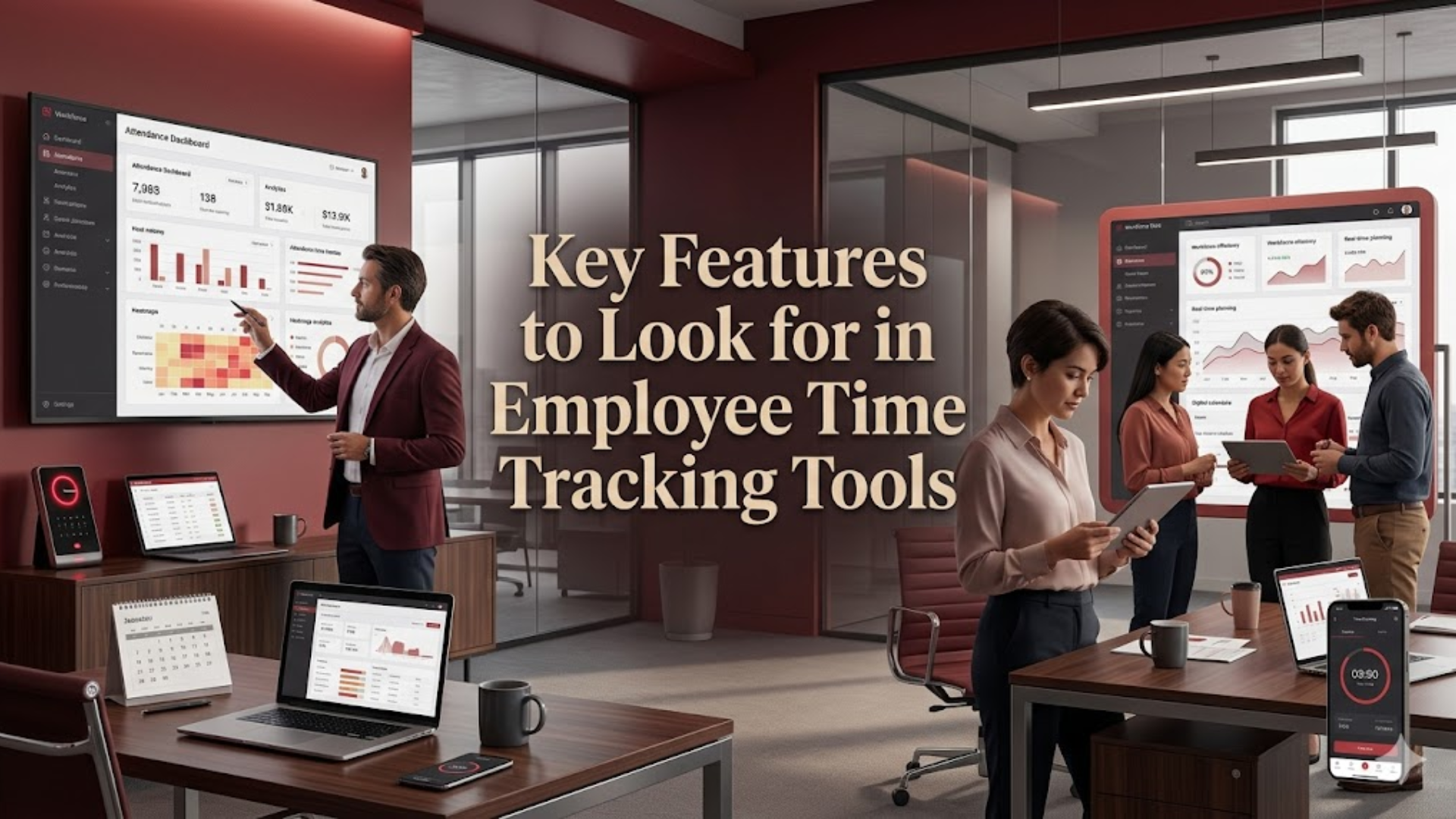
Not all systems offer the same functionality. Choosing the right tool depends on your workforce needs.
Real-Time Attendance Monitoring
Managers can instantly view who is working, absent, late, or on break.
Mobile Accessibility
Employees working remotely or in the field can log hours from mobile devices.
Payroll Integration
Connecting attendance records with payroll systems reduces processing delays and improves compensation accuracy.
Reporting and Analytics
Advanced reporting helps managers analyze productivity patterns and workforce efficiency.
Shift and Break Management
Businesses can create schedules, monitor breaks, and reduce scheduling conflicts.
How Employee Time Tracking Improves Workplace Productivity
A structured attendance system creates transparency across teams. Employees gain clarity about expectations, while managers receive accurate data for planning workloads.
Businesses also notice improvements in:
- Time management
- Reduced payroll disputes
- Better scheduling efficiency
- Increased employee accountability
- More accurate workforce planning
At the same time, managers should remember the importance of teamwork in maintaining workplace productivity. While tracking technology provides visibility, collaboration between managers and employees remains essential for creating a healthy and efficient work environment.
Clear communication, trust, and shared goals help organizations maximize the value of workforce management systems.
Common Challenges Businesses Face Without Time Tracking Systems
Companies relying on manual attendance methods often experience avoidable issues.
Payroll Errors
Manual calculations increase the likelihood of mistakes.
Buddy Punching
Employees may clock in for coworkers, causing inaccurate records.
Poor Shift Management
Without automated scheduling, staffing gaps and conflicts become more common.
Compliance Risks
Incorrect attendance documentation can lead to labor law or overtime issues.
Businesses seeking better workforce visibility often turn to clock in and out software to simplify attendance tracking and improve operational consistency.
How to Choose the Right Employee Attendance Solution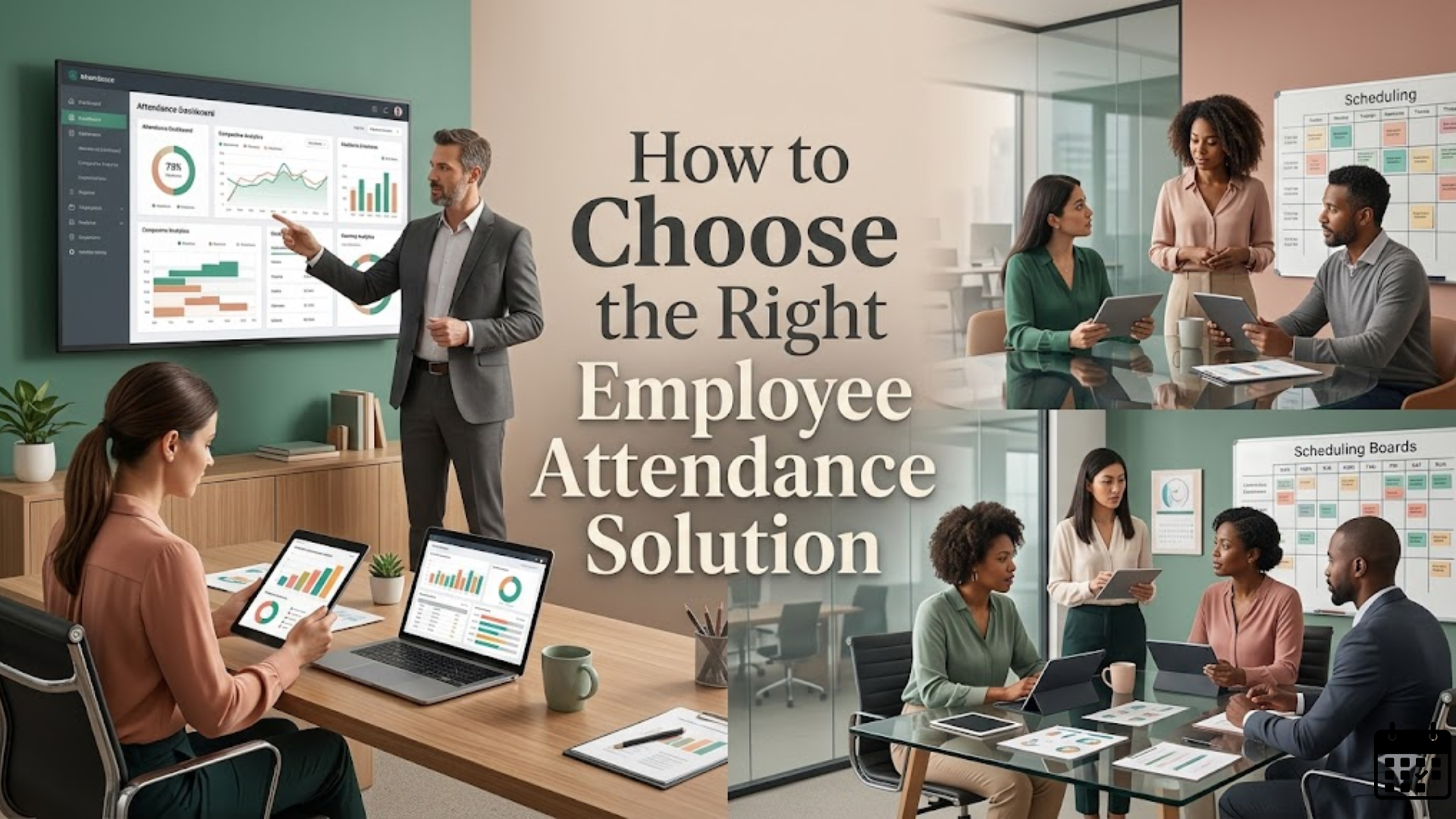
Before selecting a system, consider your business requirements.
Ask these questions:
- Does it support mobile tracking?
- Can it integrate with payroll software?
- Does it provide detailed reports?
- Is it easy for employees to use?
- Does it support multiple locations or remote teams?
Choosing the right platform should balance usability, functionality, and scalability.
You can also watch this video: Emp Monitor | Boost Workplace Productivity with Employee Monitoring Software.
Summary
Clock in and out software helps businesses accurately track employee attendance, reduce payroll errors, improve scheduling, and strengthen workforce accountability. By automating time tracking, companies save administrative effort while gaining better visibility into employee work patterns. Businesses that combine digital attendance tracking with strong communication and the importance of teamwork often achieve better productivity, smoother operations, and improved employee management.
FAQ
What is clock in and out software used for?
It is used to track employee work hours, attendance, breaks, overtime, and shift schedules to improve payroll accuracy and workforce management.
Is clock in and out software suitable for small businesses?
Yes. Small businesses often use time-tracking tools to reduce manual work, prevent payroll errors, and manage employee attendance more efficiently.
Can remote employees use attendance tracking software?
Yes. Many systems include mobile access and GPS tracking so remote or field employees can log work hours from different locations.
Does employee time-tracking software improve productivity?
Yes. Better attendance visibility, accurate scheduling, and accountability often lead to improved workforce productivity and operational efficiency
Comments
Post a Comment