Workforce Metrics: Essential KPIs to Build a Smarter and Future-Ready Team
How do successful companies improve productivity, reduce employee turnover, and build stronger teams? The answer often comes down to tracking the right workforce data. Without clear measurements, businesses struggle to understand employee performance, operational efficiency, and overall workforce health.
In simple terms, workforce metrics are measurable indicators that help organizations evaluate employee productivity, engagement, attendance, retention, and efficiency. These insights allow businesses to make informed decisions, improve performance, and align teams with company goals.
Whether you manage a small business or a large enterprise, understanding employee trends can help you optimize staffing, improve morale, and prepare for long-term growth.
What Are Workforce Metrics and Why Do They Matter?
Organizations rely on measurable data to understand how effectively employees contribute to business success. Tracking employee performance is no longer optional in competitive workplaces. By using workforce metrics, businesses can identify strengths, address productivity gaps, and create better employee experiences. These measurable insights help organizations make informed decisions, improve efficiency, and align workforce performance with long-term business goals.
Key benefits include:
- Improved productivity tracking
- Better workforce planning
- Reduced employee turnover
- Smarter hiring decisions
- Higher employee engagement
- Better operational efficiency
These measurements help managers understand patterns rather than relying on assumptions.
Most Important Metrics Every Business Should Track
Not every business needs to measure everything. Instead, focus on indicators that align with business goals.
1. Employee Productivity Rate
This metric measures how efficiently employees complete assigned tasks and contribute to organizational outcomes.
You can assess productivity through:
- Project completion rates
- Sales targets achieved
- Task efficiency
- Performance evaluations
Monitoring productivity helps businesses identify bottlenecks and improve workflows.
2. Employee Turnover Rate
Turnover rate measures how many employees leave a company during a specific period.
A high turnover rate may indicate:
- Poor workplace culture
- Low employee satisfaction
- Limited growth opportunities
- Ineffective management practices
Reducing turnover improves stability and lowers recruitment costs.
3. Absenteeism Rate
Frequent absenteeism can negatively affect productivity and team performance.
Tracking attendance patterns helps managers:
- Detect burnout early
- Improve scheduling efficiency
- Address workplace dissatisfaction
- Support employee well-being
4. Employee Engagement Levels
Engaged employees are more likely to remain productive and committed.
Businesses commonly measure engagement through:
- Employee surveys
- Feedback systems
- Participation rates
- Team collaboration levels
High engagement often leads to stronger retention and improved performance.
5. Time-to-Hire
This measures how quickly organizations fill open positions.
A shorter hiring cycle can:
- Reduce productivity loss
- Improve recruitment efficiency
- Lower hiring costs
However, speed should never compromise hiring quality.
How Businesses Can Improve Workforce Performance
Collecting data alone is not enough. Companies must turn insights into action to improve results.
Here are practical strategies:
Set Clear Performance Goals
Employees perform better when expectations are clearly defined. Establish measurable goals tied to business priorities.
Use Workforce Analytics Tools
Modern HR and employee management tools help organizations monitor attendance, productivity, and engagement in real time.
Invest in Employee Development
Training programs improve employee confidence and skill development, leading to better overall performance.
Encourage Transparent Communication
Employees who feel heard are more likely to stay motivated and productive.
Regular feedback sessions help teams improve continuously.
Why Workforce Data Matters for a Future-Ready Organization
Businesses today operate in rapidly changing environments. Companies that use workforce insights can adapt more effectively to shifting business demands, employee expectations, and industry trends.
A future ready workforce depends on strategic planning, skill development, and employee adaptability. Organizations that monitor workforce performance are better equipped to identify skill gaps, improve efficiency, and prepare teams for future challenges.
By using workforce metrics effectively, businesses can make smarter decisions based on evidence rather than assumptions. These insights help leaders strengthen team performance, improve employee satisfaction, and support sustainable growth.
Common Challenges When Tracking Employee Performance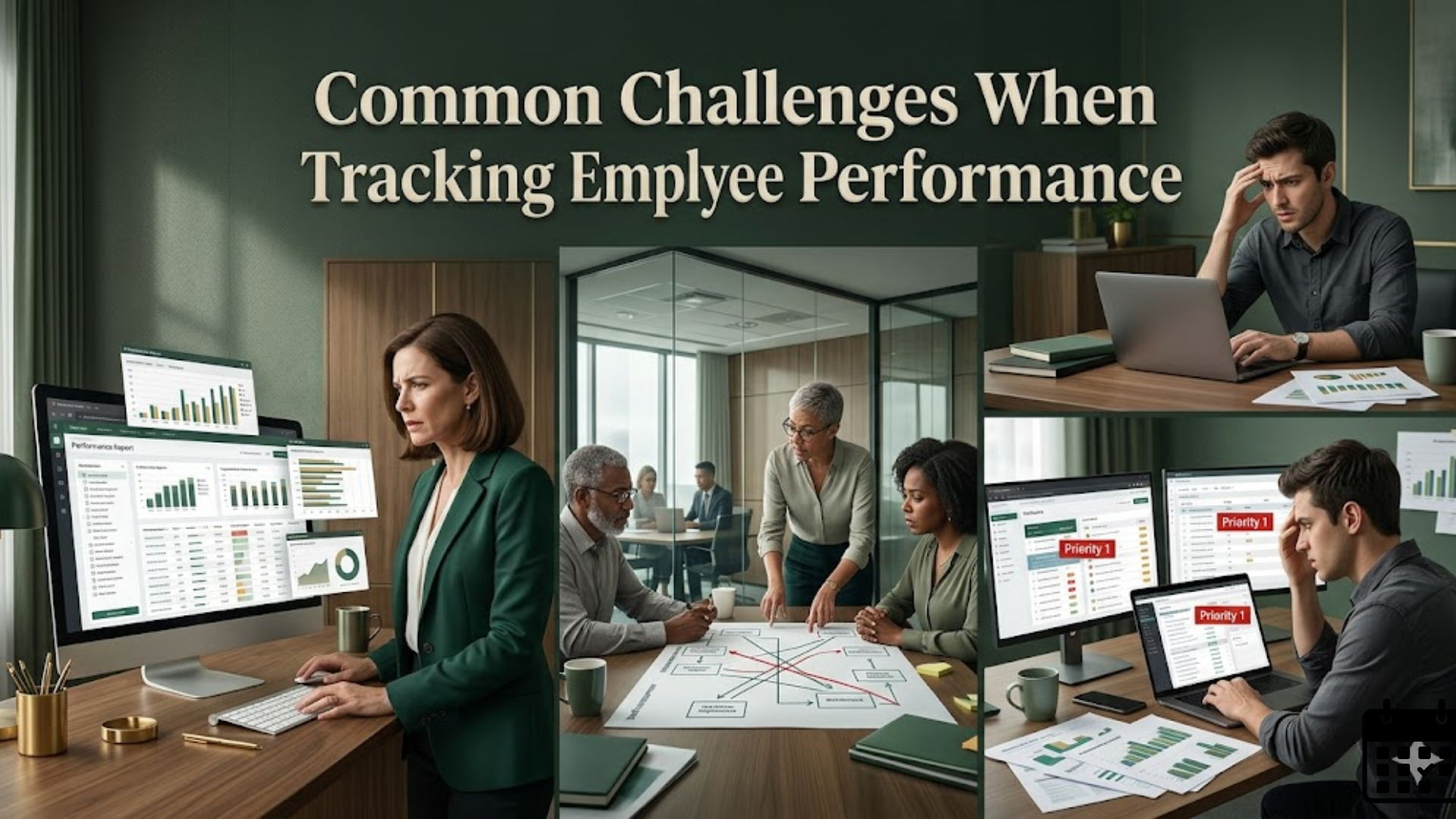
Even with strong systems, businesses may face obstacles such as:
- Inaccurate data collection
- Lack of employee transparency
- Overreliance on numbers without context
- Measuring too many KPIs at once
To overcome these challenges, companies should focus on relevant indicators and combine quantitative data with employee feedback.
You can also watch this video: Emp Monitor | Boost Workplace Productivity with Employee Monitoring Software.
Summary
Understanding workforce metrics helps organizations make smarter decisions about employee productivity, engagement, and workforce planning. When businesses track meaningful indicators, they gain valuable insights that improve performance, reduce turnover, and support long-term success. By using accurate workforce data alongside employee feedback, organizations can create healthier, more efficient teams prepared for future business demands.
FAQ
What are workforce metrics in simple terms?
Workforce metrics are measurable indicators businesses use to track employee productivity, engagement, attendance, retention, and performance.
Why are workforce metrics important?
They help organizations improve productivity, reduce turnover, optimize staffing, and make informed workforce decisions.
Which workforce metric is most important?
The most important metric depends on business goals, but productivity, turnover rate, employee engagement, and absenteeism are commonly tracked.
How often should businesses track workforce performance?
Most organizations monitor performance monthly or quarterly to identify trends and improve decision-making.
How does workforce tracking help business growth?
It helps companies improve operational efficiency, identify skill gaps, and support long-term workforce planning.
Comments
Post a Comment